Hurricane-Rated Garage Doors for Florida Homes: A Complete Homeowner’s Guide
Florida homeowners understand that hurricane preparation involves more than stocking bottled water and securing patio furniture. A home’s exterior openings, including windows, doors, and garage doors, must be able to withstand intense wind, flying debris, pressure changes, and wind-driven rain. Among these openings, the garage door is often one of the largest and most vulnerable.
That is why Hurricane-Rated Garage Doors for Florida Homes have become an important investment for homeowners who want to protect their property, vehicles, belongings, and family. A properly selected and professionally installed garage door can help reduce the risk of catastrophic structural damage during a tropical storm or hurricane.
A standard garage door may look strong, but appearance alone does not indicate whether it can withstand Florida’s demanding weather conditions. Hurricane-rated doors are engineered, tested, and labeled to meet specific wind-load requirements. They use reinforced panels, stronger tracks, heavy-duty rollers, improved hinges, enhanced hardware, and secure anchoring systems designed for regional wind pressures.
Florida’s coastal exposure, frequent thunderstorms, high humidity, and hurricane history make garage door performance especially important. Whether you live in Miami, Fort Lauderdale, Tampa, Orlando, Jacksonville, Naples, Sarasota, or another Florida community, the right garage door should be selected according to your property’s location, building-code requirements, opening size, wind zone, and exposure category.
Why Garage Doors Matter During a Hurricane
A garage door can account for a significant portion of a home’s front-facing wall. When a powerful storm strikes, wind may push against the door, pull on its edges, or force debris into the panels. If the door bends, separates from its tracks, or blows inward, wind can enter the garage and increase internal pressure throughout the house.
That internal pressure can place additional stress on the roof, walls, ceiling, and other exterior openings. In severe circumstances, the garage door may fail first and contribute to a chain reaction that affects the rest of the structure.
A hurricane-rated garage door is designed to resist these pressures more effectively than a conventional non-rated door. Its purpose is not simply to remain attractive or operate smoothly during normal weather. It is engineered to provide a stronger protective barrier when wind speeds and pressure rise far beyond everyday conditions.
“Wind can enter through breached openings and cause increased internal pressure, which can contribute to structural failure.” — Federal Emergency Management Agency guidance on reducing wind damage
This is one reason Florida building standards place specific attention on exterior openings. A door that is not properly rated, reinforced, anchored, and maintained can represent a major weakness in the building envelope.
Garage doors also protect more than the structure itself. Many homeowners use their garages to store lawn equipment, tools, bicycles, appliances, furniture, sports gear, important documents, and seasonal items. A failed door may expose everything inside to wind, rain, salt spray, and flying debris.
What Makes a Garage Door Hurricane Rated?
The term “hurricane-rated” generally refers to a garage door system that has been designed and tested to resist specified wind pressures. The rating applies to the complete system, not just the visible door panels. This distinction is important because a strong-looking panel can still fail if the tracks, fasteners, hinges, brackets, or framing are inadequate.
A hurricane-rated garage door may include several structural features:
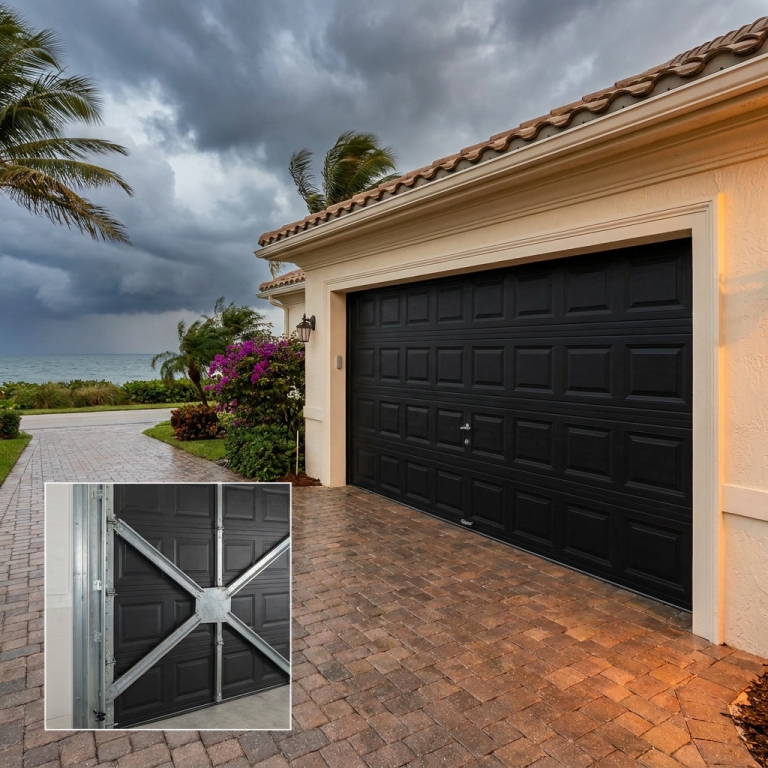
- Reinforced door sections: Steel, aluminum, or composite panels may include internal struts and stronger construction to reduce bending and flexing.
- Heavy-duty tracks: Reinforced vertical and horizontal tracks help keep the door aligned when wind places lateral force on the system.
- Stronger rollers: Commercial-grade or upgraded rollers can help prevent the door from leaving the tracks.
- Wind-resistant hinges: Heavier hinges distribute stress between the sections and support smoother movement under pressure.
- Improved end stiles: Reinforced end stiles strengthen the outer edges of the garage door, where wind pressure can be especially damaging.
- Enhanced anchoring: The tracks and mounting hardware must be securely attached to suitable structural framing.
- Impact-resistant glazing: If the door contains windows, the glazing may be impact rated or designed to meet applicable protection requirements.
- Wind-load labels: A compliant system should have documentation or labeling that identifies its design pressure and approval information.
- Reliable locking components: Stronger locks and reinforcement can help prevent the door from flexing or opening under extreme pressure.
A complete hurricane-rated garage door is only as reliable as its weakest component. For example, installing a reinforced door on weak, deteriorated framing may not provide the expected protection. Likewise, using ordinary fasteners or undersized track anchors can compromise the entire system.
For that reason, homeowners should ask for the product approval, wind-load rating, installation instructions, and documentation applicable to their address. A reputable garage door professional should be able to explain which parts of the system are included in the rating.
Understanding Florida Wind-Load Requirements
Florida does not have one identical wind requirement for every home. The required rating depends on factors such as geographic location, design wind speed, building height, exposure, surrounding terrain, proximity to the coast, and whether the home is located in a designated high-wind or wind-borne debris region.
The Florida Building Code establishes statewide minimum standards, but local authorities may apply additional requirements. A home near the Atlantic Ocean or Gulf of Mexico may have different design pressures from a home farther inland. Even two properties in the same county may require different garage door specifications if their elevations, exposure conditions, or construction details differ.
Design pressure is commonly expressed in pounds per square foot, or PSF. Positive pressure pushes against the door, while negative pressure pulls away from it. A garage door should be selected to meet both applicable positive and negative pressures.
Homeowners should not assume that a product rated for one area is automatically suitable for another. A door manufactured for a lower wind zone may not meet the requirements of a coastal municipality. Similarly, a door that meets a general wind standard may still need impact protection if the property is located in a wind-borne debris region.
Florida’s building requirements are intended to address regional differences in wind exposure, structural design, and hurricane risk. Homeowners should confirm site-specific requirements with the local building department or a qualified building professional.
When comparing products, ask the installer to explain:
- What design pressure is required at the property?
- What positive and negative pressure ratings does the door carry?
- Is the product approved for the local jurisdiction?
- Does the rating apply to the complete installed system?
- Are the tracks, fasteners, hinges, brackets, and framing included in the installation plan?
- Are impact-resistant panels or protective systems required?
- Will permits or inspections be necessary?
These questions help prevent a common mistake: purchasing a door based only on the product’s appearance or general marketing language.
Impact Resistance and Wind Resistance Are Not the Same
Wind resistance and impact resistance are related, but they are not identical. A hurricane-rated garage door may be designed to withstand specific wind pressures, while an impact-rated door has also undergone testing involving airborne debris.
During a hurricane, debris can include tree branches, roof materials, signs, fencing, outdoor furniture, and pieces of damaged buildings. A door may resist steady wind pressure but sustain damage if struck by a heavy object traveling at high speed. In designated wind-borne debris areas, impact protection may be required for certain openings.
Impact-rated garage doors generally use reinforced panels, laminated vision sections, or other construction methods designed to resist penetration. Some systems are tested with repeated impacts and then subjected to pressure cycles to evaluate their performance after damage.
Homeowners should ask whether their local requirements call for:
- An impact-rated garage door system
- Approved storm shutters or panels
- Tested protection for garage door windows
- Additional reinforcement around the garage opening
- Specific product approvals for the county or municipality
Adding a temporary sheet of plywood to a large garage door is not equivalent to having a tested hurricane-rated system. Plywood may be difficult to attach properly, can leave gaps, and may not provide uniform protection across the entire opening. It may also fail if the surrounding framing is not strong enough.
A professionally installed impact-rated door offers a more integrated solution. It is designed as a system, with the panels, tracks, fasteners, and supporting components working together.
Popular Types of Hurricane-Rated Garage Doors
Florida homeowners can choose from several garage door styles, materials, and operating systems. The best choice depends on design preferences, budget, maintenance expectations, insulation needs, and local wind requirements.
Steel sectional garage doors are among the most common options. They are made from connected horizontal sections that travel along vertical and horizontal tracks. Wind-rated steel doors may contain multiple layers, reinforced struts, stronger end stiles, and upgraded hardware. Steel is durable and often offers a practical balance between cost, appearance, and performance.
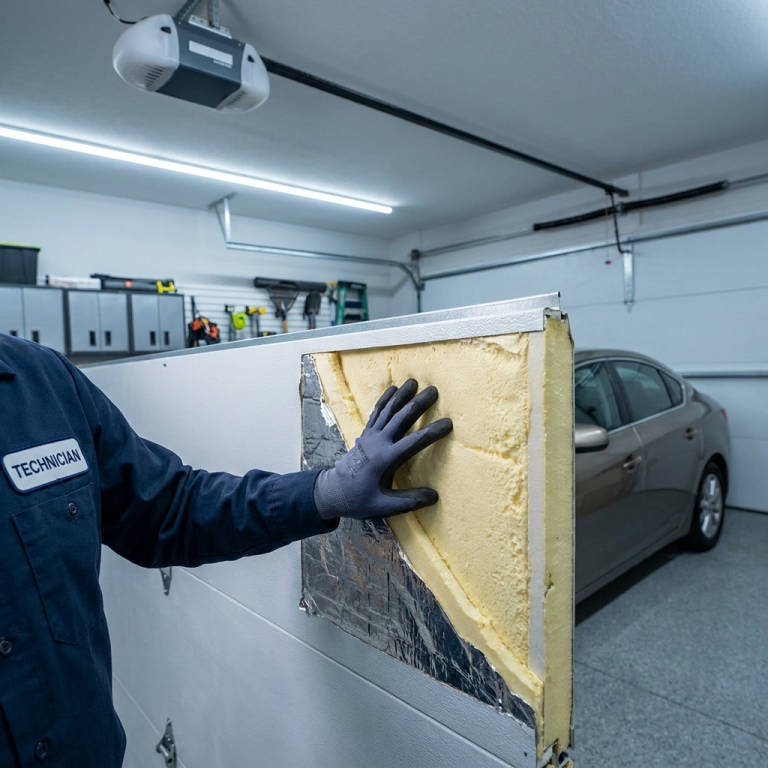
Insulated steel doors are particularly useful for Florida garages that are connected to living areas. Insulation can reduce heat transfer and help moderate the temperature inside the garage. It may also make the door quieter and more rigid. Although insulation alone does not make a door hurricane rated, a well-constructed insulated system can be engineered to meet appropriate wind-load requirements.
Aluminum garage doors are lightweight and resistant to corrosion, which can be valuable in coastal environments. However, aluminum products vary considerably in strength and construction. A homeowner should confirm that the selected aluminum system has the required reinforcement and approval for the property.
Fiberglass and composite doors can offer attractive finishes and resistance to certain forms of moisture-related deterioration. Their performance depends on the specific product design. Not every fiberglass or composite garage door is suitable for hurricane exposure, so the rating must be verified.
Roll-up garage doors are commonly seen in commercial buildings, storage facilities, and some residential applications. They can provide strong security and compact operation, but their suitability depends on the product’s testing, guides, mounting system, and design pressure rating.
Full-view garage doors with large glass panels are popular in modern homes. For Florida use, homeowners should choose systems with tested impact-resistant glazing and suitable structural framing. Ordinary glass panels can create unnecessary vulnerability during a hurricane.
Carriage-house-style and custom garage doors may be available in hurricane-rated models, but decorative details should never be allowed to compromise structural performance. Ask whether the exact style, window configuration, and hardware package have been tested together.
Choosing the Right Material for Florida’s Climate
Florida’s climate creates several challenges beyond hurricanes. High humidity, intense sunlight, salt air, heavy rain, and rapid temperature changes can affect garage door materials and hardware.
Steel doors should have appropriate protective coatings and finishes. In coastal areas, corrosion-resistant fasteners, hinges, rollers, and springs are especially important. Even a galvanized component can corrode over time if it is exposed to salt air and not maintained.
Aluminum is naturally resistant to many corrosion concerns, but coatings and hardware still matter. Scratches, dents, and damaged finishes should be repaired before moisture reaches vulnerable surfaces.
Composite materials may resist rot and moisture better than some natural products, but they should still be cleaned and inspected regularly. Wood garage doors can be beautiful, but they require consistent sealing, painting, and maintenance in Florida’s humid conditions. A wood door can be hurricane rated, but homeowners should understand the maintenance commitment.
The finish color can also affect long-term performance. Dark colors absorb more solar heat, which may increase expansion and place stress on certain materials. Modern coatings can help, but homeowners should follow the manufacturer’s recommendations for color selection and maintenance.
Garage Door Installation Is Just as Important as the Product
Even the strongest hurricane-rated garage door can underperform if it is installed incorrectly. Installation determines how the door transfers wind forces into the surrounding structure. Incorrect fasteners, poor spacing, inadequate framing, or improperly aligned tracks can reduce the door’s ability to resist pressure.
A qualified installer should inspect the opening before installation. This inspection may include:
- The condition of the header and side jambs
- The strength and continuity of the framing
- Existing damage from moisture, termites, or previous storms
- The condition of the concrete slab and attachment points
- The location of electrical wiring and other utilities
- The current track and spring configuration
- The size, weight, and operating requirements of the proposed door
The installer should use the specified fasteners and attachment pattern from the approved installation instructions. Substituting cheaper or shorter hardware can reduce the system’s performance. Tracks should be properly secured to structural members rather than merely attached to weak trim or thin sheathing.
A professional installation also helps ensure that the door is balanced correctly. An unbalanced door can strain the opener, cause premature wear, and make emergency operation difficult. Springs must be selected and adjusted for the exact weight of the door.
Homeowners should request written information about the warranty. Some warranties cover the panels but exclude labor, corrosion, hardware, or damage caused by improper maintenance. Understanding the warranty before installation can prevent confusion later.
Manual Release Systems and Garage Door Openers
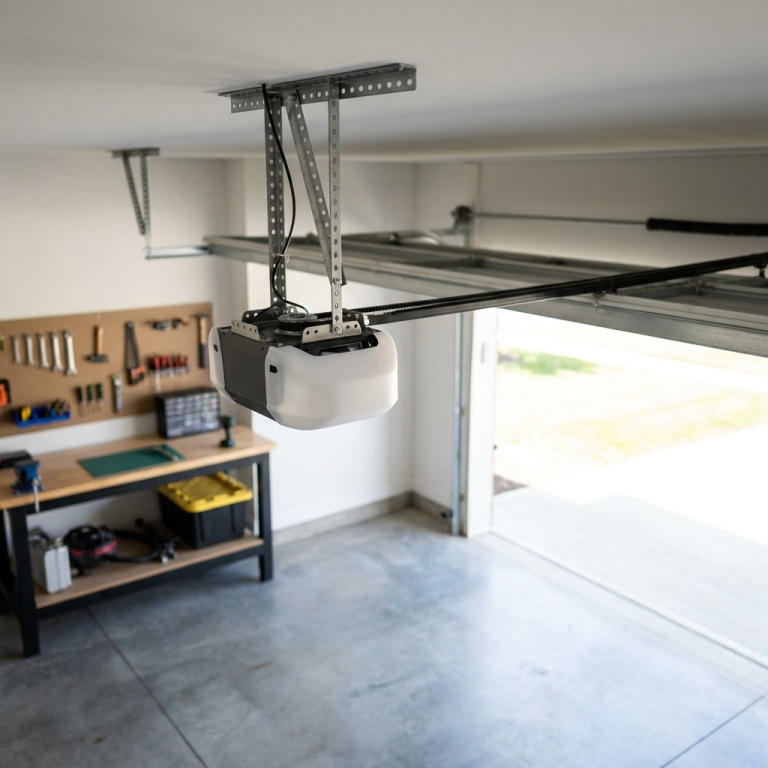
A garage door opener is convenient, but it is not the same as a hurricane reinforcement system. Some automatic openers include a mechanical locking feature, while others rely on the door’s existing locking mechanism. Homeowners should understand whether their opener is compatible with the wind-rated door and whether it can secure the door against pressure.
The emergency release cord allows the door to be operated manually during a power outage. However, it should not be pulled casually when the door is open or when the springs and cables appear damaged. A garage door can be heavy and dangerous if it is disconnected from the opener without proper control.
After a storm, do not force the door open if it is bent, off its tracks, or blocked by debris. A damaged door can fall unexpectedly or contain stored energy in broken springs and cables. Turn off the opener if the door is malfunctioning and contact a trained technician.
Battery backup systems can help homeowners open and close the garage door during a power outage, but backup power does not make an unrated door hurricane resistant. It is a convenience and safety feature, not a substitute for structural reinforcement.
Some homeowners add automatic locks, slide bolts, or aftermarket reinforcement kits. These products may be useful in certain circumstances, but they should be compatible with the door and approved for the intended application. An improperly installed locking device can interfere with the opener and cause damage.
Maintenance Before Hurricane Season
A hurricane-rated garage door should be maintained throughout the year, not only when a storm is approaching. Florida’s long storm season leaves little room for correcting hidden problems at the last minute.
Schedule a professional inspection at least annually, particularly if the door is exposed to coastal air or has experienced unusual noise, vibration, or operating problems. Homeowners should also perform simple visual checks.
Look for:
- Rust or corrosion on springs, cables, hinges, rollers, tracks, and brackets
- Loose bolts, screws, or fasteners
- Cracked, bent, or separated panels
- Gaps around the door perimeter
- Worn weather seals
- Broken or damaged windows
- Tracks that are bent, loose, or out of alignment
- A door that shakes, binds, or moves unevenly
- Unusual grinding, popping, or squealing noises
- A door that reverses unexpectedly or fails to close completely
Lubricate moving parts only with products recommended by the manufacturer. Do not apply grease to tracks unless the manufacturer specifically allows it. Grease can collect dirt and interfere with roller movement.
Keep the tracks clean and ensure that leaves, tools, boxes, and other stored items do not obstruct the door. Avoid hanging heavy objects from the door or attaching decorations that could interfere with movement.
Test the photo-eye safety sensors and auto-reverse function periodically. Place a safe object such as a piece of wood in the door’s path according to the opener manufacturer’s instructions. If the door does not reverse as expected, discontinue use and arrange for service.
Do not attempt to adjust torsion springs, extension springs, lift cables, or bottom brackets yourself. These components can store significant energy and may cause serious injury if handled incorrectly.
Preparing a Hurricane-Rated Garage Door Before a Storm
When a hurricane or tropical storm threatens Florida, preparation should begin before conditions deteriorate. Outdoor objects should be brought inside or secured, because even small items can become dangerous projectiles.
Complete the following steps:
- Inspect the door for visible damage, loose hardware, or operating problems.
- Close the garage door fully and confirm that it is properly locked.
- Disconnect or disable the automatic opener if the manufacturer’s instructions recommend doing so during extreme conditions.
- Use only approved braces, locks, or storm-protection accessories designed for the door.
- Remove vehicles and valuable items from areas where flooding may occur.
- Move chemicals, fuels, paint, and other hazardous products to a secure location when possible.
- Do not leave the door partially open, since wind can catch the opening and increase damage risk.
- Keep the garage door remote, keys, documentation, and emergency contact information accessible.
- Follow evacuation orders and do not remain in the garage during dangerous conditions.
A door should never be manually forced shut if its tracks are damaged or if the panels are visibly displaced. Likewise, do not stand in front of the garage door during extreme wind. If the system begins to fail, move away from the opening and seek a safer interior location.
After the storm passes, wait until authorities confirm that it is safe to inspect the property. Downed power lines, flooding, broken glass, and unstable structures may remain hazardous.
What to Do If the Garage Door Is Damaged
Hurricane damage can appear obvious, such as a door that has blown inward, or subtle, such as a bent track or shifted mounting bracket. Do not assume that a door is safe to operate simply because it opens and closes.
A damaged door should be inspected for:
- Loose or missing hardware
- Detached tracks
- Cracked panels or broken windows
- Frayed cables
- Broken springs
- Bent rollers or hinges
- Damaged framing
- Separation between the door and the opening
- Water intrusion around the perimeter
If the door is off its tracks, do not attempt to lift it back into place. If a cable is loose or a spring is broken, keep people and pets away from the area. Contact a licensed or qualified garage door technician for an evaluation.
Photographs can be helpful for insurance documentation, but do not remove damaged components before documenting them unless they create an immediate safety threat. Keep receipts, inspection reports, product approvals, and repair estimates in a secure location.
The garage door may also be connected to broader structural damage. A professional should check the surrounding framing, header, siding, roofline, and interior walls. Water entering through the garage can damage insulation, drywall, electrical equipment, and stored possessions.
Energy Efficiency, Security, and Everyday Comfort
The main reason to purchase a hurricane-rated garage door is storm protection, but the benefits can extend to daily living. An insulated and properly sealed door can reduce heat transfer between the garage and adjacent rooms. This may make the home more comfortable and reduce the burden on the air-conditioning system.
Weather seals can limit dust, insects, rain, and humid air. In coastal environments, a tighter seal may also reduce the amount of salt-laden moisture entering the garage.
A strong garage door can improve security as well. Reinforced panels, robust locks, and secure tracks may make forced entry more difficult. Windows can provide natural light, but homeowners should select designs that balance visibility, privacy, impact protection, and security.
Noise reduction is another potential advantage. Multi-layer insulated panels and upgraded rollers can make operation quieter, which is useful when bedrooms or living spaces are located above or beside the garage.
Curb appeal should not be overlooked. Hurricane-rated garage doors are available in many colors, panel designs, window arrangements, and decorative styles. Homeowners can often achieve the desired architectural appearance without sacrificing required performance.
Cost Considerations and Long-Term Value
The price of a hurricane-rated garage door depends on its size, material, insulation, wind-load rating, impact requirements, window design, hardware, opener, framing work, permits, and installation complexity. A double-car garage door typically requires more structural reinforcement than a single-car door because the opening is larger and may experience greater total force.
The lowest initial price is not always the lowest overall cost. A poorly matched door may require additional upgrades, fail inspection, cause repeated repairs, or provide less protection than expected. A quality system with professional installation can offer better long-term value.
When requesting estimates, ask each company to provide comparable details:
- The exact door model and construction
- The wind-load and impact ratings
- The included tracks, rollers, springs, locks, and brackets
- The installation labor and structural modifications
- Permit and inspection responsibilities
- Removal and disposal of the existing door
- Opener compatibility and battery backup options
- Warranty coverage for parts and labor
- Maintenance recommendations
- The estimated completion schedule
Be cautious of vague promises such as “hurricane proof” without supporting documents. No garage door can guarantee that a home will experience no storm damage. A better description is a door that has been tested and approved for specific wind pressures and, where applicable, impact conditions.
Homeowners may also want to ask their insurance provider whether a qualifying opening-protection upgrade affects coverage or discounts. Insurance policies differ, and documentation may be required.
How to Choose a Qualified Florida Garage Door Company
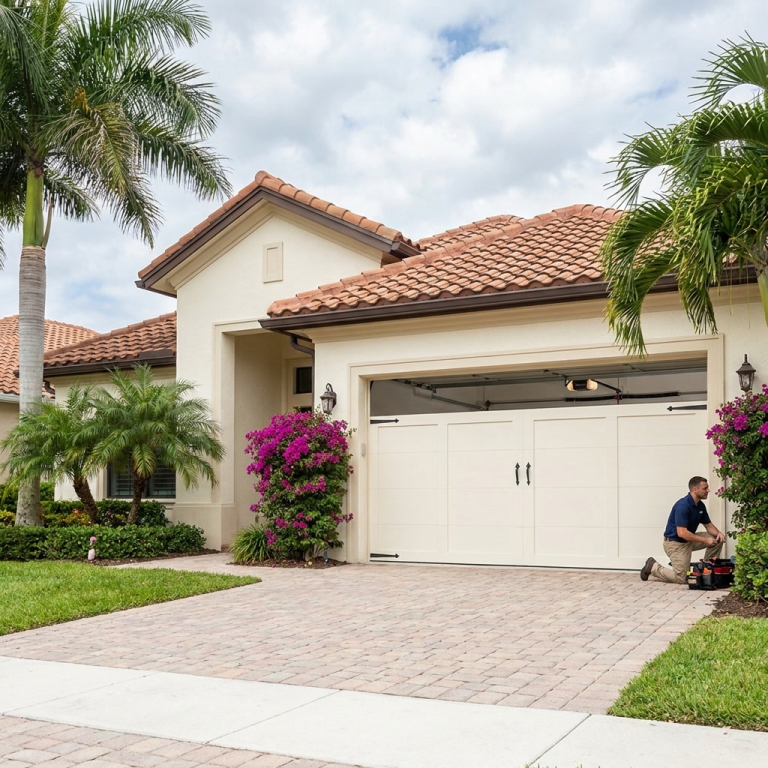
The installer is a major part of the investment. Look for a company with experience in Florida wind-load requirements, local permitting, hurricane-rated products, coastal corrosion concerns, and structural installation.
A trustworthy company should be willing to answer technical questions clearly. It should not pressure you into signing immediately or make unsupported claims about code compliance.
Before choosing an installer, consider:
- Whether the company is properly licensed and insured for the work
- Whether technicians have experience with wind-rated and impact-rated systems
- Whether the company provides written estimates
- Whether product approval documents are available
- Whether references or verified reviews can be provided
- Whether the company handles permits and inspections
- Whether emergency repair and maintenance services are available
- Whether the warranty is explained in writing
Ask the installer to measure the opening rather than relying on a homeowner’s estimate. Small differences in width, height, headroom, side room, and backroom can affect the door model and track configuration.
If you are replacing a door after storm damage, ask whether the existing framing remains suitable. Installing a new door over compromised framing may create a false sense of security.
Homeowners interested in learning more about available services and garage door options can visit GarageFL for additional information and assistance.
Common Mistakes Florida Homeowners Should Avoid
One common mistake is waiting until a named storm is approaching to order a new garage door. Demand rises sharply before and after major storms, which can lead to limited product availability, delayed installations, and longer repair schedules. Planning during the off-season provides more time to compare systems and address structural issues.
Another mistake is focusing only on the door panel. The tracks, brackets, anchors, rollers, springs, locks, and surrounding framing are essential to the complete performance of the system.
Some homeowners also install aftermarket braces without confirming compatibility. A brace designed for one door configuration may not work with another and can interfere with the opener or damage the panels.
Ignoring small problems is another risk. A noisy roller, loose hinge, rusty cable, or cracked seal may not seem urgent during ordinary weather, but these issues can become more serious under hurricane conditions.
Do not remove the wind-load label from the door. It can help technicians, inspectors, and insurance representatives identify the system’s specifications.
Avoid storing heavy objects directly against the door. If the door needs to move during an emergency, blocked access can create a dangerous situation. Keep the area around the tracks, opener, and manual release clear.
Finally, do not rely on social media claims or generic online advice instead of local requirements. Florida jurisdictions may have different rules, and the most appropriate system depends on the address and building characteristics.
Frequently Asked Questions
Are all new garage doors in Florida hurricane rated?
No. A new garage door may meet ordinary residential performance standards without meeting the wind-load or impact requirements applicable to your location. Always request the exact rating and approval documentation.
Does an insulated garage door automatically resist hurricanes?
No. Insulation improves energy performance, comfort, and sometimes rigidity, but it does not automatically create hurricane resistance. The complete door system must be tested and approved for the required pressures.
Can I reinforce my existing garage door?
In some cases, approved reinforcement kits or structural upgrades may improve the performance of an existing door. However, not every door can be economically or safely upgraded. A qualified professional should evaluate the door, tracks, framing, and hardware.
Do hurricane-rated garage doors need storm shutters?
It depends on the product and local code requirements. A properly approved impact-rated garage door may not need separate protection, while a wind-rated but non-impact-rated door may require an approved protective system in certain areas.
How long does a hurricane-rated garage door last?
Service life varies according to material, exposure, usage, installation quality, and maintenance. Coastal salt air and neglected corrosion can shorten the life of springs, cables, rollers, and hardware. Regular inspections can help identify components that need replacement.
Are garage door windows safe during a hurricane?
Only if they are designed and rated for the applicable conditions. Ordinary glass may break during impact. If you want windows, discuss impact-resistant glazing or an approved protective solution with the installer.
Can I open my garage door during a hurricane?
Opening a garage door during severe wind can expose the interior and increase the risk of damage. Follow emergency instructions, keep the door closed when conditions are dangerous, and never operate a visibly damaged system.
Is a permit required to replace a garage door in Florida?
Permit requirements vary by jurisdiction and project scope. Many replacements require permitting or inspection, particularly when structural modifications or wind-rated products are involved. Ask the installer or local building department before work begins.
Final Considerations for Florida Homeowners
Selecting Hurricane-Rated Garage Doors for Florida Homes is a practical way to strengthen one of the largest openings in a property. The right system can help resist wind pressure, reduce the risk of debris penetration, protect stored belongings, improve security, support energy efficiency, and provide greater peace of mind during hurricane season.
The most important factors are not simply color, style, or price. Homeowners should consider the required design pressure, impact-protection requirements, product approval, material, installation quality, surrounding framing, maintenance needs, and local code obligations.
Begin with a professional assessment of the existing opening. Confirm the rating required for the property, compare complete systems rather than isolated door panels, and obtain documentation before purchasing. Choose an experienced installer who understands Florida conditions and follows the manufacturer’s approved installation procedures.
A hurricane-rated garage door cannot eliminate every risk associated with a major storm. However, it can reduce the likelihood that the garage opening will become a critical point of failure. When combined with a complete hurricane-readiness plan, properly maintained roofing, protected windows, secure outdoor items, and attention to evacuation guidance, it becomes an important part of responsible Florida home ownership.
If your current garage door is old, damaged, unreinforced, or missing wind-load documentation, now is a good time to schedule an inspection. Contact GarageFL to discuss the appropriate hurricane-rated options for your property, understand your local requirements, and take the next step toward a safer, stronger, and more resilient Florida home.
Skip the YouTube rabbit hole - we'll have a tech at your door same day across Broward, Dade and Palm Beach.