Replacing or installing a garage door in South Florida is a significant home improvement decision. A new door can improve curb appeal, strengthen home security, reduce energy loss, and make daily access to your garage safer and more convenient. However, homeowners often discover that the final price can vary considerably depending on the door material, size, hurricane rating, opener system, labor requirements, and local building standards.
For many South Florida homeowners, the most important question is simple: How much does garage door installation cost? In 2026, a typical residential garage door installation in South Florida may range from approximately $1,200 to $5,500 or more, including the door and standard labor. High-end custom doors, hurricane-rated systems, insulated models, specialty hardware, and complex structural work can push the total beyond that range.
South Florida is different from many other regions because garage doors must often withstand intense sunlight, heavy rain, high humidity, salt air, tropical storms, and hurricanes. Local permitting and wind-load requirements can also affect the type of door that may legally and safely be installed. As a result, choosing the least expensive quote is not always the best financial decision. A properly installed, code-compliant door may cost more initially but can provide better protection, longer service life, and fewer repair expenses.
This guide explains the major factors that influence garage door installation cost in Broward, Miami-Dade, Palm Beach, and nearby South Florida communities. It also breaks down material prices, labor, hurricane considerations, garage door openers, permits, replacement costs, and ways to compare estimates before scheduling the work.
1. Average Garage Door Installation Cost in South Florida
The average price of a new garage door installation depends primarily on the door’s size, construction, wind rating, insulation, and design. A basic single-car garage door may cost less than a large, hurricane-rated double door with decorative windows and a premium automatic opener. Homeowners should also understand whether a quoted price includes removal of the old door, disposal, tracks, springs, cables, rollers, weather seals, permits, and final adjustment.
For a standard single garage door measuring approximately 8 to 9 feet wide, homeowners may commonly see total installation prices between $1,200 and $3,000. A basic non-insulated steel door with standard hardware is generally at the lower end. An insulated steel door, impact-resistant model, or attractive carriage-house style door may reach the upper end of the range.
A standard double garage door, often measuring 16 feet wide, may cost approximately $1,800 to $5,500 installed. The wider opening requires heavier panels, stronger springs, more substantial tracks, and additional reinforcement. If the door must meet a higher wind-load rating, the cost may increase further because of reinforced construction and approved bracing systems.
Custom wood doors, full-view aluminum and glass doors, premium composite doors, and architecturally designed systems may cost $5,000 to $12,000 or more. These products are selected for appearance and design flexibility, but they may require specialized installation, stronger openers, custom framing, or additional maintenance.
The following general price ranges can help establish a starting point:
- Basic single steel door: approximately $1,200 to $2,200 installed.
- Insulated single garage door: approximately $1,700 to $3,200 installed.
- Basic double garage door: approximately $1,800 to $3,800 installed.
- Insulated or hurricane-rated double door: approximately $2,800 to $5,500 installed.
- Custom wood, glass, or luxury door: approximately $5,000 to $12,000 or more installed.
- Garage door opener replacement: approximately $300 to $900 installed, depending on features and horsepower.
These numbers are estimates rather than fixed prices. A professional assessment is necessary because two homes with apparently similar garage openings can have very different installation requirements. One property may have a simple, square opening with reusable framing, while another may need track relocation, header repair, masonry work, electrical modifications, or wind-load reinforcement.
The cost of removing an old door is sometimes included in a complete installation quote, but not always. Removal and disposal may add approximately $100 to $300, depending on the door’s size, weight, material, and condition. Doors with broken springs or damaged panels can be difficult to dismantle safely. If the existing system is unstable, technicians may need additional time and equipment to remove it.
Garage door installation is also affected by the location of the property. Labor prices may be higher in areas with elevated operating costs, limited parking, difficult access, or strict homeowners association requirements. Coastal communities may require materials and finishes better suited to salt exposure. Homes in older neighborhoods may also require more preparation because garage openings and framing are not always uniform.
When reviewing an estimate, ask whether it includes the complete operating system. A garage door is not just a panel. It also includes tracks, rollers, hinges, drums, cables, torsion or extension springs, brackets, bottom seals, side seals, top seals, and often an automatic opener. A low quote that excludes essential hardware may not represent the true installation cost.
Homeowners should also ask for the manufacturer, model number, warranty terms, wind-load rating, insulation rating, and expected maintenance requirements. These details make it easier to compare two estimates accurately. One company may quote a basic non-insulated door, while another may recommend a reinforced, insulated, impact-rated product. The second quote may appear more expensive but offer substantially better performance and protection.
For homeowners who are comparing replacement options, the garage door installation service page can provide useful information about professional installation and available solutions. A qualified technician can inspect the opening, explain practical options, and identify hidden issues before ordering the door.
2. Factors That Influence Garage Door Installation Pricing
Garage door installation cost in South Florida is determined by more than the door’s advertised retail price. The final project amount reflects the entire system and the conditions at the property. Understanding each cost factor allows homeowners to make informed decisions and avoid surprises after work begins.
Door size is one of the most important considerations. Single doors require fewer materials and less labor than double doors. Extra-wide doors, oversized recreational vehicle doors, and custom openings may require specialized panels, heavier springs, stronger openers, and additional structural support. If the garage opening is not a standard size, a custom order may be necessary.
Material also has a direct effect on cost. Steel is one of the most popular choices because it offers strength, relatively low maintenance, and many design options. Aluminum is lightweight and useful for modern full-view doors, but it may have different durability characteristics. Wood provides a high-end appearance but generally costs more and requires regular refinishing, sealing, and inspection. Composite materials can provide the appearance of wood with less maintenance, although premium composite systems may be expensive.
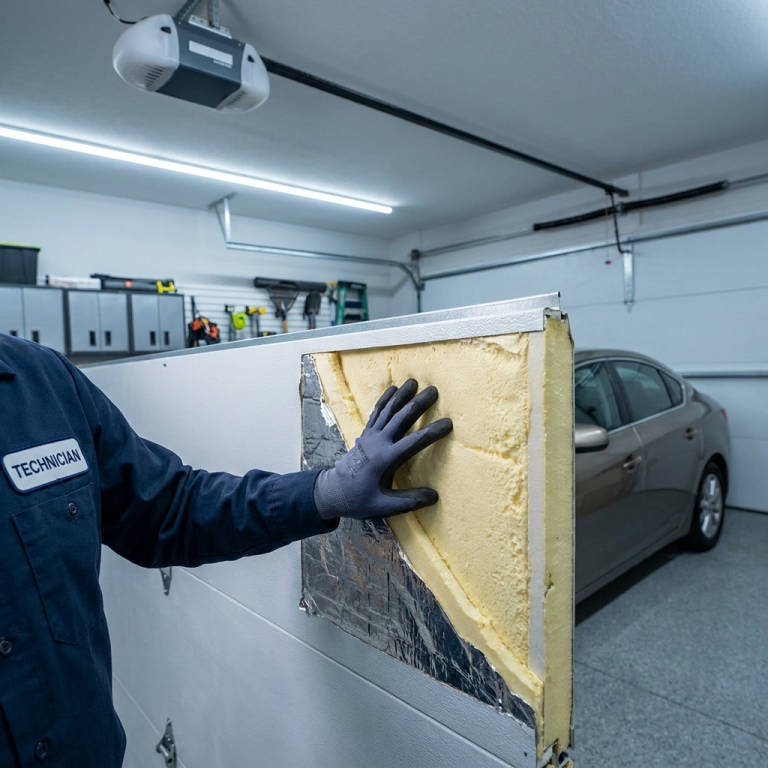
Insulation is another major pricing factor. Non-insulated garage doors are usually less expensive and may be suitable for detached garages or spaces that are not climate controlled. Insulated doors typically contain polyurethane or polystyrene cores. They can help reduce heat transfer, limit outside noise, improve door rigidity, and make an attached garage more comfortable. In South Florida, insulation may be particularly useful when a garage shares a wall with living space or contains air-conditioning equipment.
Garage door insulation is commonly described using an R-value. A higher R-value generally indicates greater resistance to heat transfer, although the actual performance also depends on construction quality, seals, windows, and installation. Homeowners should not choose insulation solely based on a number. They should consider how the garage is used and whether energy efficiency, noise reduction, or structural strength is a priority.
Wind resistance is especially important in South Florida. A garage door is one of the largest moving openings in a home. During a hurricane or severe wind event, a weak or improperly secured door can be damaged, allowing wind and rain to enter the garage. Once the garage is breached, internal pressure may increase the risk of damage to the roof and other parts of the structure.
Wind-rated doors are designed and tested for specific wind pressures. The required rating can depend on the property’s location, exposure, building height, distance from the coast, and local code requirements. A door rated for one area may not meet the requirements of another. Homeowners should request documentation showing that the selected door is approved for the property’s required wind zone.
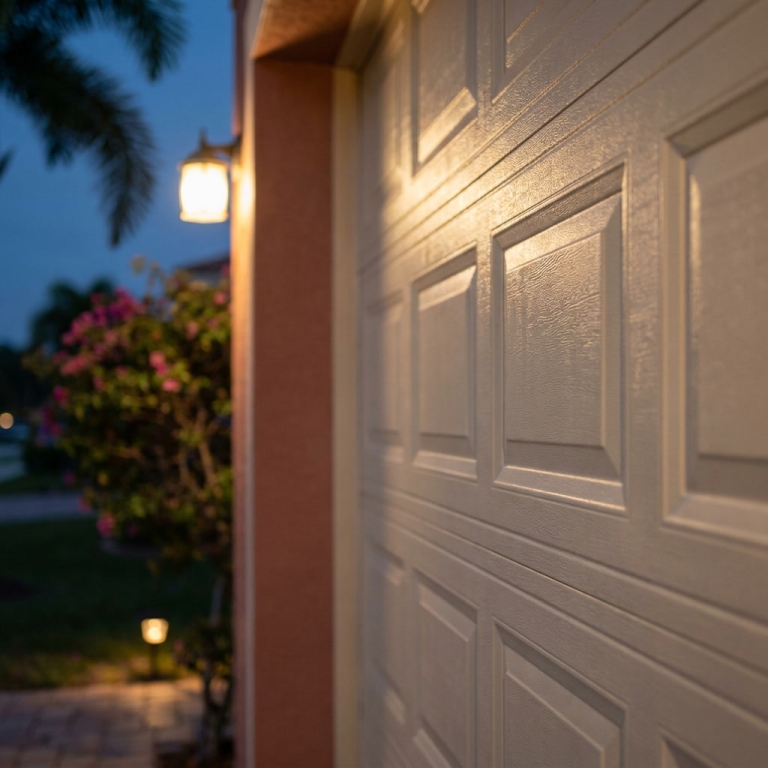
Windows and decorative features can also increase the price. Garage door windows improve natural light and can enhance the home’s appearance, but impact-resistant glazing or reinforced window designs may cost more. Decorative hardware, custom colors, upgraded finishes, raised panels, glass inserts, and carriage-house details add to the total. These features may be worthwhile for curb appeal, but they should be balanced against maintenance and storm-protection needs.
Tracks, springs, and hardware are essential parts of the installation. Heavy doors require properly sized springs and stronger hardware. Reusing old tracks or springs with a new door is often unsafe unless the components are specifically approved and in excellent condition. A professional should verify that the tracks, rollers, cables, drums, brackets, and springs are correctly matched to the new door’s weight.
The condition of the garage opening can produce additional charges. Rot, termite damage, cracked masonry, warped framing, deteriorated concrete, and an uneven floor may prevent proper installation. The door must sit squarely and seal against the floor and side jambs. If the opening is out of square, the technician may need to repair or modify the framing before installing the new system.
Electrical requirements may affect opener installation. A standard opener typically requires a nearby grounded outlet. If there is no suitable outlet, an electrician may need to install one. Some homeowners also choose battery backup systems, smart home connectivity, additional wall controls, cameras, keypads, or upgraded lighting. These options increase convenience but add equipment and labor costs.
Accessibility and job complexity should not be overlooked. A garage with limited driveway access, a high ceiling, narrow side clearance, or stored belongings may take longer to prepare. Technicians need adequate room to safely remove the old door, assemble the new system, set the springs, adjust the opener, and test the safety features.
Finally, labor quality can influence long-term value. Garage door springs and cables are under significant tension, and improper installation can create serious safety risks. A qualified installer should inspect the complete system, secure all fasteners, balance the door, adjust travel limits, test the auto-reverse function, and explain proper operation to the homeowner.
3. Hurricane-Rated Garage Doors, Building Codes, and South Florida Requirements
Hurricane protection is one of the most important issues when evaluating garage door installation cost in South Florida. The region regularly experiences tropical storms, hurricanes, heavy rain, and strong wind gusts. Because the garage door is a large opening, local authorities and insurance providers may place significant emphasis on its structural performance.
A hurricane-rated garage door is engineered to resist specified wind pressures. It may include reinforced panels, stronger end stiles, heavy-duty tracks, additional rollers, reinforced brackets, improved anchoring, and approved locking systems. Some doors are manufactured with impact-resistant materials or tested with large-missile impact standards. The exact design depends on the manufacturer and the approval required for the property.
Hurricane-rated products often cost more than standard garage doors. The difference may range from several hundred dollars to several thousand dollars depending on size, wind rating, insulation, windows, and design. A double garage door usually costs more to reinforce because the wider opening experiences greater forces. In some cases, homeowners may need a certified reinforcement system or a replacement structural header in addition to the door itself.
South Florida building requirements can vary by municipality and location. Broward County, Miami-Dade County, Palm Beach County, and individual cities may have different procedures for permitting, inspections, product approvals, and wind-load documentation. Coastal exposure and the building’s elevation may also influence requirements. A reputable installer should know which documents are needed and should explain whether the project requires a permit.
Homeowners should ask for product approval information before purchasing. Important documents may include engineering reports, manufacturer specifications, wind-load tables, installation instructions, and approval numbers. These records demonstrate that the door has been tested and is eligible for use under applicable building standards. They may also be needed during permitting, inspection, insurance discussions, or future home sales.
Permits and inspection fees may add approximately $50 to $500 or more, depending on the municipality and project scope. The cost may be higher if structural alterations are required. Some installation companies include permit handling in their pricing, while others list it as a separate line item. Always confirm who is responsible for applying for the permit and scheduling the inspection.
Homeowners should be cautious if a contractor suggests skipping a required permit. An unpermitted installation can create problems during an insurance claim, property sale, refinancing process, or municipal inspection. It may also mean that the installed system does not meet the required wind rating. Saving money upfront can result in expensive corrections later.
Wind protection does not depend only on the door panel. The surrounding framing and attachment points must also be strong enough to transfer wind loads into the structure. If the jambs, header, or concrete anchors are weak, even an approved door may not perform as intended. A proper installation includes inspection of these areas and secure fastening according to manufacturer instructions.
Garage door locks and automatic openers also matter in storm preparation. Some systems include automatic locking features that engage when the door closes. Others may require a manual slide lock or additional reinforcement. Homeowners should never use a manual lock while the opener is engaged unless the system is specifically designed for that setup. Doing so can damage the opener or door.
A battery backup opener is another useful option for South Florida homes. Power interruptions are common during severe weather, and a backup battery allows the door to open and close when electricity is unavailable. This can be especially important if the garage is the primary entrance, if a vehicle must be removed during an emergency, or if medical equipment and other essential supplies are stored inside.
Hurricane-rated garage doors can also provide benefits beyond storm protection. Reinforced doors may be more durable during daily use and less likely to flex, rattle, or become damaged by accidental impact. Insulated models can improve comfort and reduce heat transfer. However, no garage door can eliminate all storm risk. Homeowners should follow evacuation guidance, secure loose outdoor items, maintain the door properly, and inspect the system before hurricane season.
When comparing prices, ask the installer to separate the cost of the door, reinforcement package, opener, labor, permit, disposal, and any structural work. This makes it easier to understand why a hurricane-rated installation may cost more than a basic replacement. The goal is not simply to purchase the strongest-looking door; it is to install a complete system that is properly approved, securely anchored, and suitable for the home’s specific location.
For additional information about local service options and professional assistance, homeowners can visit Garage FL. A qualified local team can help evaluate whether an existing door can be repaired, reinforced, or should be replaced with a properly rated system.
4. Labor, Garage Door Openers, Repairs, and Additional Installation Expenses
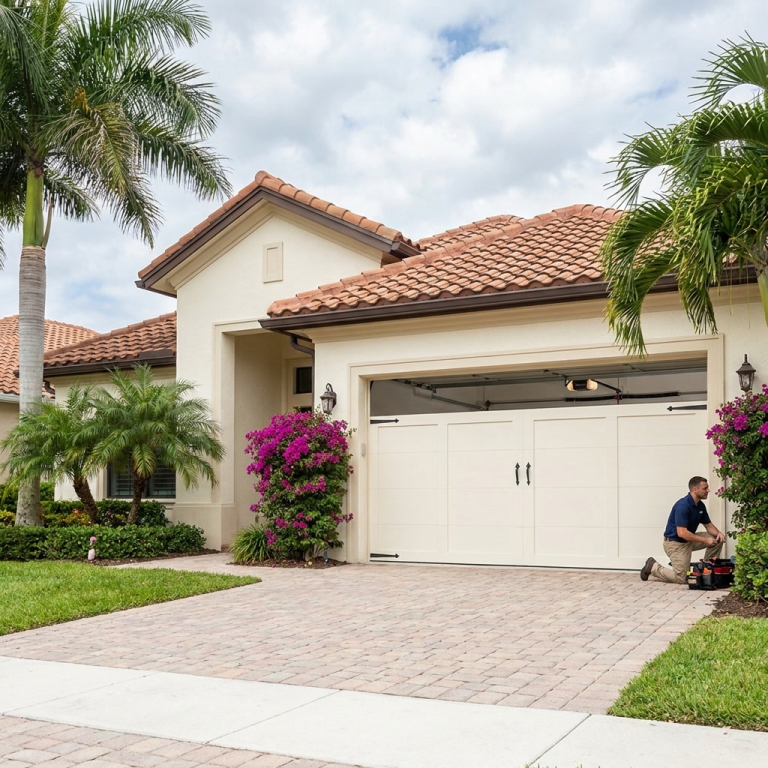
Labor is a major component of the total garage door installation cost. Professional installation commonly ranges from approximately $300 to $1,200 for a straightforward residential project, although complex installations may cost more. The labor price reflects the time required to remove the old door, prepare the opening, assemble the new panels, install tracks and springs, connect the opener, make adjustments, clean the work area, and test the complete system.
A simple single-door replacement may be completed in several hours if the framing and opener are suitable. A double door, custom system, or hurricane-rated installation may take longer. Structural repairs, permit requirements, difficult access, unusual ceiling height, and electrical work can extend the project. Homeowners should ask for an estimated installation timeline but understand that the final duration depends on site conditions.
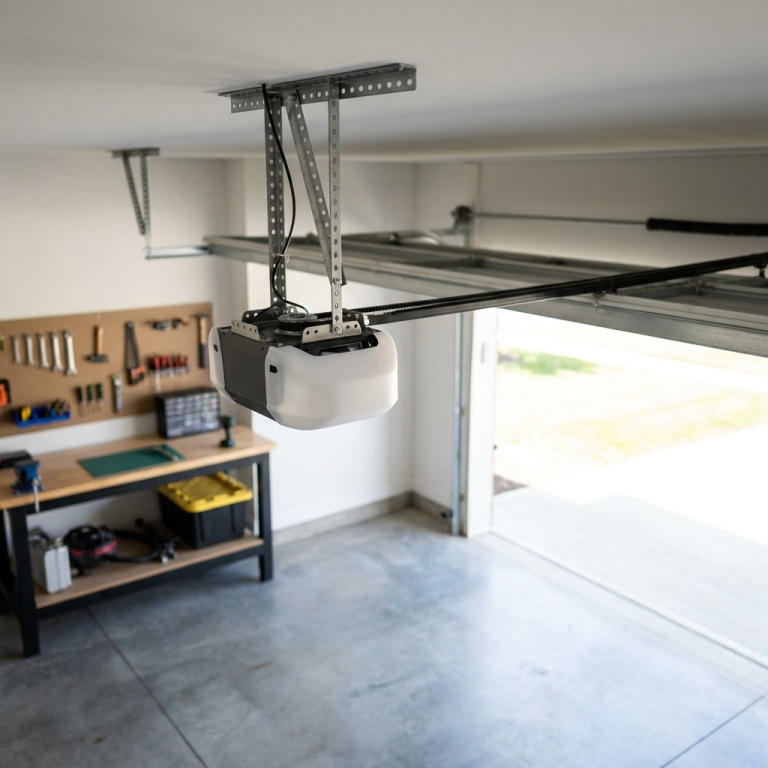
Garage door opener pricing varies by horsepower, drive type, technology, and safety features. Chain-drive openers are often economical and durable, although they may produce more noise and vibration. Belt-drive models are quieter and popular for garages located below bedrooms or adjacent to living areas. Screw-drive systems have fewer moving components but may require consideration of the local climate and maintenance requirements.
Modern openers may include Wi-Fi connectivity, smartphone control, automatic locking, motion-activated lights, battery backup, and integrated cameras. These features can improve convenience and security, but they add to the installation price. A homeowner who only needs dependable daily operation may not need every available smart feature. On the other hand, remote monitoring can be valuable for people who travel frequently or want to verify whether the garage door is closed.
When replacing a garage door, homeowners often wonder whether the existing opener can remain in place. In some situations, reuse is possible if the opener is compatible with the new door, has sufficient lifting capacity, and is in good condition. However, older openers may lack modern safety sensors, battery backup, rolling-code security, or the correct mounting configuration. A new door can also have a different weight or balance, making the old opener unsuitable.
Safety components should be included in every installation. Photo-eye sensors should be aligned on both sides of the door and tested to confirm that the door reverses when the beam is interrupted. The opener’s force settings and travel limits should be adjusted correctly. The manual release should operate smoothly. The door should remain balanced and should not fall rapidly when disconnected from the opener.
Additional installation charges may apply for replacement of worn or damaged components. Common items include rollers, hinges, cables, drums, end bearings, center bearings, brackets, weather stripping, bottom seals, and wall consoles. Replacing these components during installation can be more efficient than waiting for them to fail, particularly if the system is several years old or exposed to moisture and salt air.
Weather seals deserve special attention in South Florida. The bottom seal helps block rainwater, insects, dust, and small debris. Side and top seals reduce air infiltration and may help limit heat entering the garage. If the garage floor is uneven or slopes toward the interior, a standard seal may not create a complete barrier. The installer may recommend a larger seal, threshold seal, or minor floor adjustment.
Painting and finishing costs vary by material. Steel doors may be ordered in factory-applied colors or painted after installation if the manufacturer permits it. Wood doors usually need sealing or staining to protect against humidity, sunlight, and rain. Aluminum and glass doors may require specialized cleaning and care. Coastal homes may need more frequent inspections for corrosion, particularly when hardware is exposed to salty air.
Old-door removal and disposal should be clearly identified in the estimate. Steel panels, tracks, springs, and other hardware can be heavy and awkward. Safe removal requires the door to be secured before springs are released. Homeowners should not attempt to dismantle a garage door themselves, especially if torsion springs remain under tension. Professional removal reduces the chance of injury and ensures that discarded materials are handled appropriately.
Service warranties are another part of the overall value. Product warranties may cover panels, paint, insulation, or hardware for different periods. Labor warranties cover installation-related issues and may be separate from the manufacturer’s warranty. Ask what is covered, how service requests are handled, and whether warranty coverage depends on routine maintenance or professional servicing.
Emergency situations can also affect pricing. A door that is stuck open, off its tracks, damaged by a vehicle, or unable to close before a storm may require immediate service. Emergency work may include a service-call fee, after-hours charge, temporary securing, or replacement of damaged parts. The best way to limit these expenses is to address worn springs, noisy rollers, deteriorated seals, and unusual movement before they become urgent failures.
Need emergency garage door repair near me in Broward County, Florida? Same-day service, 13+ years experience, 450+ five-star reviews. Call (954) 830-9661.
Although repair can sometimes be less expensive than replacement, homeowners should consider the age and condition of the complete system. Replacing one broken panel may make sense when the rest of the door is relatively new. If the door has repeated spring failures, rust, cracked panels, obsolete hardware, poor wind protection, or severe imbalance, replacement may provide better long-term value.
5. How to Choose the Right Garage Door and Get the Best Long-Term Value
The best garage door installation is not necessarily the least expensive option. It is the system that offers the right combination of safety, durability, storm protection, appearance, energy performance, and dependable operation for the home. Before requesting estimates, homeowners should decide how the garage is used and which features matter most.
Start by identifying whether the garage is attached or detached. An attached garage may benefit from insulation, quiet operation, improved weather seals, and a battery backup opener. A detached garage used primarily for storage may not require the highest insulation rating, although wind resistance and security can still be important. If the garage contains a workshop, refrigerator, air-conditioning equipment, or valuable belongings, a more durable and weather-resistant system may be justified.
Measure the existing opening only as a preliminary step. Professional installers should verify the width, height, headroom, side room, backroom, jamb condition, floor level, and ceiling configuration. A door may be advertised as a standard size but still require different tracks or mounting hardware based on the property. Accurate measurements prevent delays, ordering mistakes, and unexpected modifications.
Request at least two or three detailed written estimates. Each estimate should identify the manufacturer, model, size, material, insulation, wind rating, windows, hardware, springs, tracks, opener, labor, disposal, permit, taxes, warranty, and expected completion date. Avoid comparing quotes based solely on the total number. A detailed estimate makes it easier to see whether one company is offering a lower price by omitting important components.
Ask whether the installer is licensed and insured where required. Confirm that technicians have experience with South Florida wind-rated systems and understand local permit procedures. It is also reasonable to ask for references, review information, proof of insurance, and examples of similar installations. A company that is transparent about its qualifications and pricing is generally easier to work with if questions arise later.
Do not ignore the importance of balance and alignment. A properly installed garage door should move smoothly, remain relatively quiet, and sit evenly against the floor. The opener should not strain, jerk, or reverse unexpectedly. If the door appears crooked, shakes excessively, rubs against the tracks, or leaves large gaps around the edges, the installation may need adjustment.
Maintenance can extend the service life of the door and reduce unexpected costs. Homeowners should visually inspect cables, springs, rollers, tracks, hinges, and seals several times each year. Keep tracks free of debris, but do not apply grease to the tracks unless specifically instructed. Lubricate appropriate moving parts with a garage-door-rated lubricant. Test the opener’s auto-reverse function and safety sensors regularly.
Salt air and humidity require additional attention near the coast. Look for surface rust, corroded fasteners, peeling finishes, damaged seals, and moisture around the bottom of the door. Stainless or corrosion-resistant hardware may be a worthwhile upgrade in coastal neighborhoods. However, even upgraded materials require periodic cleaning and inspection.
Homeowners should also understand that cosmetic improvements and structural protection are different goals. A decorative door can transform the appearance of a home, but windows, lightweight materials, or custom finishes may affect cost and maintenance. A hurricane-rated door can improve storm readiness, but it must be installed according to approved instructions and anchored to suitable framing. Discuss both appearance and performance before making a final selection.
Financing and seasonal promotions may be available, but homeowners should read the terms carefully. Compare the cash price, interest rate, administrative fees, warranty conditions, and cancellation policy. A discount should not outweigh concerns about inadequate insurance, unclear licensing, poor reviews, or an incomplete scope of work. The cheapest installation can become costly if the door fails inspection or requires major corrections.
Timing may also influence project cost and availability. Demand often increases before and during hurricane season, particularly after a major storm damages homes throughout the region. Ordering a door early can reduce delays and give the installer more time to address permits and product availability. Emergency replacement after a storm may be more expensive because of limited inventory and high demand.
One practical way to control cost is to prioritize essential features first. Wind rating, correct sizing, reliable hardware, secure installation, and safety testing should come before decorative upgrades. If the budget permits, insulation, battery backup, quiet operation, and smart connectivity can be added based on household needs. Choosing a durable standard design may also reduce maintenance compared with a highly customized door.
Before approving the work, confirm the final scope in writing. The agreement should state what happens if hidden damage is discovered, whether additional work requires approval, who obtains permits, how debris is removed, and what warranty applies. Payment schedules should be reasonable and clearly explained. Homeowners should receive product documentation, warranty information, operating instructions, and maintenance recommendations after completion.
A professional inspection after installation is valuable. The technician should demonstrate the manual release, wall control, keypad, remote controls, safety sensors, battery backup, and emergency operation. The homeowner should know how to close the door during a power outage and whom to contact if the system makes unusual noises or stops working.
For homeowners seeking help with repairs, maintenance, or replacement planning, professional garage door repair can identify problems before they become more expensive. In many cases, a technician can explain whether a repair is appropriate or whether a complete replacement would provide better safety and value.
Ultimately, garage door installation cost in South Florida reflects the demands placed on the system. A reliable door must handle daily use while resisting heat, moisture, wind, and security threats. By selecting an appropriate material, confirming the wind rating, budgeting for professional labor, and reviewing the complete estimate, homeowners can make a confident investment.
In summary, most South Florida garage door installations cost approximately $1,200 to $5,500, while premium custom or highly reinforced systems can exceed $12,000. The final price depends on size, material, insulation, hurricane rating, opener, labor, permits, structural conditions, and design features. A detailed estimate should include every component rather than focusing only on the door panel.
A safe, code-compliant installation can improve curb appeal, protect the home during severe weather, reduce maintenance problems, and provide dependable daily operation for many years. If your garage door is damaged, outdated, noisy, poorly balanced, or not rated for local wind conditions, schedule an inspection before the next storm threatens South Florida. Call (954) 830-9661 for dependable assistance in Broward County and get professional guidance on the right garage door solution for your home.
Skip the YouTube rabbit hole - we'll have a tech at your door same day across Broward, Dade and Palm Beach.