Your garage door is more than an entry point—it helps protect your home, belongings, and vehicles from rain, heat, pests, and outdoor debris. Over time, worn or damaged seals can create gaps around the door, allowing unwanted air and moisture inside. Fortunately, Garage Door Weather Stripping is a simple and cost-effective way to improve your garage’s protection and energy efficiency.
In this guide, you’ll learn what weather stripping does, how to identify signs of wear, and when professional garage door service may be the best solution.
What Is Garage Door Weather Stripping?
Garage door weather stripping consists of flexible seals installed around the edges and bottom of a garage door. These seals close small gaps when the door is shut, helping block:
- Rain and standing water
- Dust, dirt, and leaves
- Insects and small pests
- Hot or cold outdoor air
- Wind and outdoor noise
A properly sealed garage can also reduce drafts and help your garage feel more comfortable throughout the year.
Common Types of Garage Door Weather Stripping
Bottom Door Seal
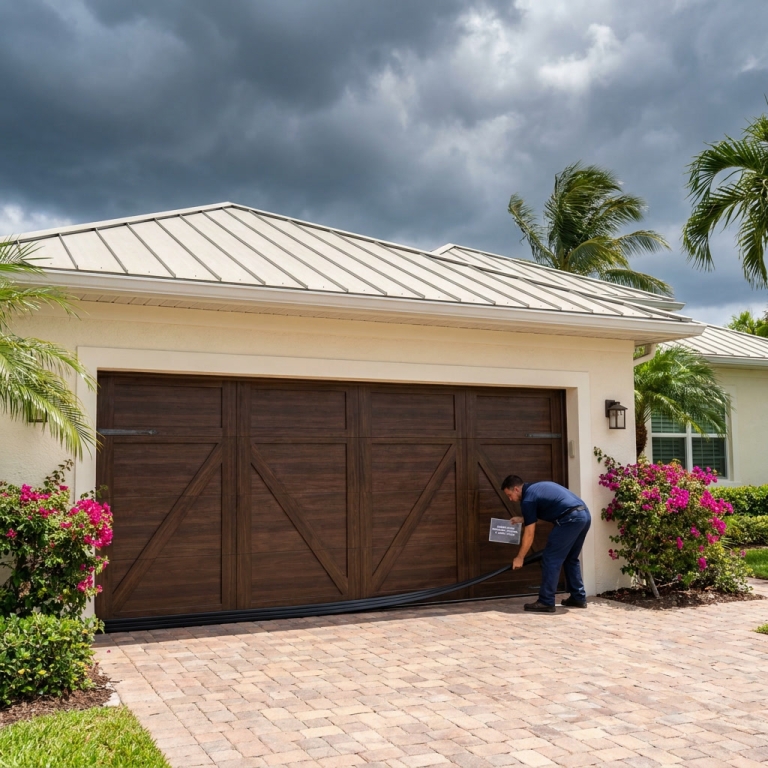
The bottom seal, also called a garage door threshold seal or astragal, attaches to the bottom edge of the door. It compresses against the floor when the door closes and is especially important for preventing rainwater from entering.
Perimeter Weather Seal
Perimeter seals are installed along the sides and top of the garage door frame. They fill gaps between the door and the frame, helping prevent air, moisture, and pests from getting through.
Garage Door Threshold Seal
A threshold seal is mounted directly to the garage floor. It can provide an additional barrier against water in areas with heavy rain or uneven flooring.
Insulated Weather Stripping
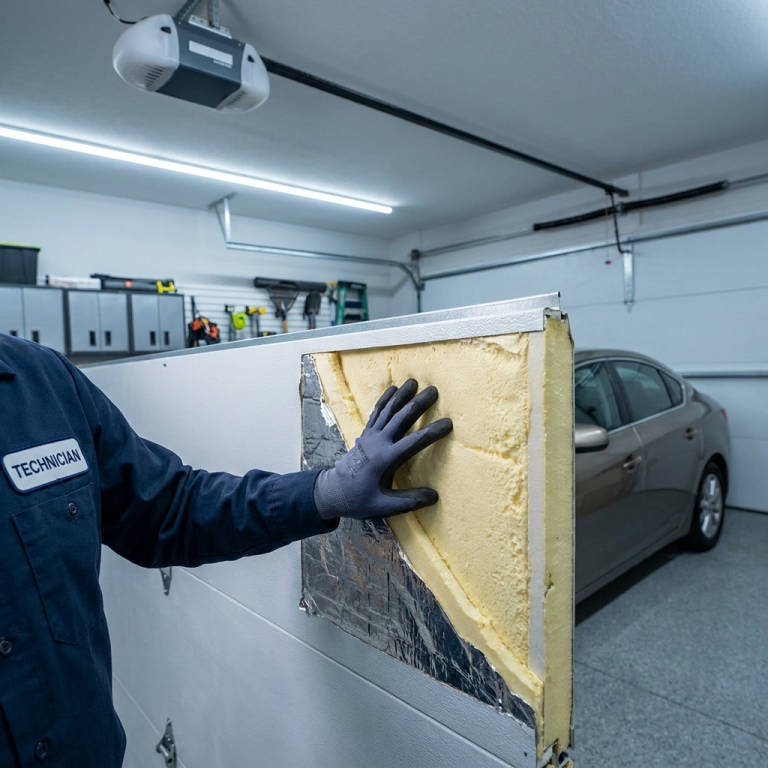
Some weather seals include thicker or insulated materials designed to improve temperature control. These may be helpful if your garage is attached to your home, used as a workshop, or connected to living areas.
Signs Your Garage Door Weather Stripping Needs Replacement
Weather stripping naturally becomes brittle, cracked, flattened, or loose with age. Look for these warning signs:
- Visible cracks, tears, or gaps in the seal
- Daylight showing around the closed garage door
- Water, leaves, or dirt entering the garage
- Increased insects or rodents inside the garage
- A draft near the garage door
- The bottom seal is flattened or no longer touches the floor
- The door shakes or leaves uneven gaps when closing
If the weather stripping is damaged but the door itself operates normally, replacing the seal may solve the problem. However, uneven gaps can also indicate an issue with the tracks, rollers, hinges, or door alignment.
How to Replace Garage Door Weather Stripping
Replacing a worn seal is often straightforward, but garage doors are heavy and under tension. Follow these general steps for a basic inspection and replacement:
- Inspect the existing seal: Check the bottom and perimeter seals for damage or gaps.
- Measure the door: Record the width and check the seal’s channel or mounting style.
- Remove the old material: Carefully loosen fasteners or slide the old bottom seal from its track.
- Clean the area: Remove dirt and debris so the new seal sits securely.
- Install the replacement: Align the seal evenly across the door and secure it according to the manufacturer’s instructions.
- Test the door: Open and close the door to confirm it moves smoothly and seals evenly.
Important: Never remove or adjust garage door springs, cables, or other high-tension components unless you are trained to do so. These parts can cause serious injury.
How Much Does Garage Door Weather Stripping Cost?
The cost depends on the type and length of seal, the garage door design, labor, and whether additional repairs are needed. A simple bottom seal replacement is usually less expensive than replacing perimeter seals or correcting an alignment problem.
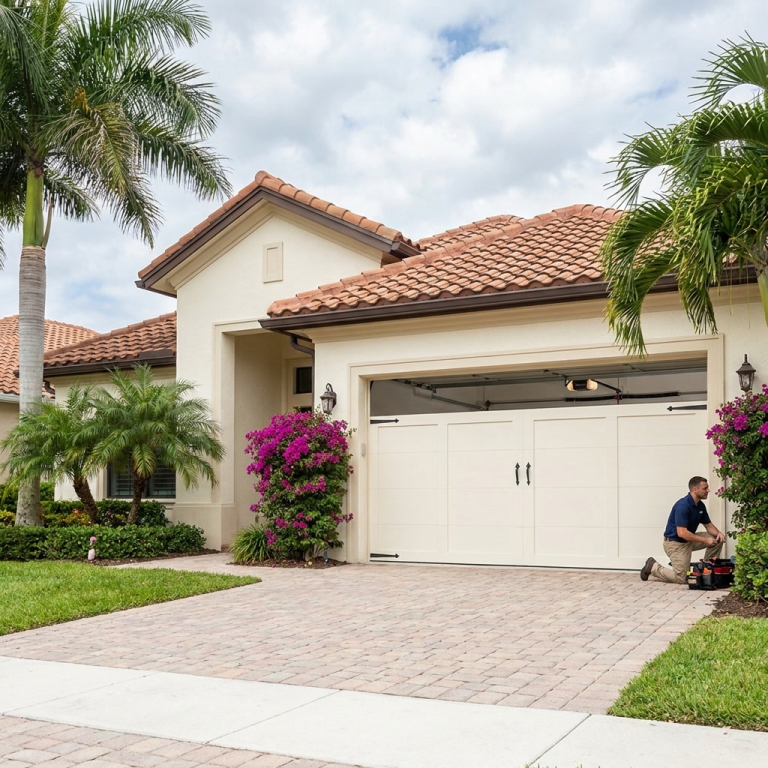
Professional installation can be worthwhile when the seal is difficult to access, the door is uneven, or water continues to enter after a replacement. A technician can also inspect the complete door system and identify problems that may not be visible during a basic inspection.
Benefits of Professional Installation
Hiring a qualified technician helps ensure that the weather stripping is properly measured, fitted, and secured. Professional service can also help prevent:
- Uneven sealing and recurring water leaks
- Strain on the garage door opener
- Premature wear on rollers and tracks
- Safety issues caused by improper adjustments
For homeowners in Broward County, Florida, local weather conditions make durable sealing especially important. Heavy rain, humidity, heat, and tropical storms can quickly expose weak or damaged seals.
Simple Maintenance Tips
Extend the life of your Garage Door Weather Stripping with regular maintenance:
- Inspect seals several times a year.
- Keep the bottom seal and garage floor free of debris.
- Clean rubber seals with mild soap and water.
- Check that the door closes evenly across the floor.
- Replace seals when they become brittle, cracked, or permanently compressed.
Avoid using harsh chemicals that may dry out or damage rubber components.
Get Reliable Garage Door Help in Broward County
Whether you need weather stripping replacement, a door adjustment, or urgent repairs, Garage FL provides dependable garage door service throughout Broward County, Florida. The company offers same-day emergency service, more than 13 years of experience, and over 450 five-star reviews.
Need emergency garage door repair near you in Broward County? Call (954) 830-9661 for prompt, professional assistance.
Conclusion
Garage Door Weather Stripping helps protect your garage from water, pests, drafts, dirt, and outdoor temperatures. Inspect the bottom and perimeter seals regularly, replace damaged materials promptly, and rely on a professional when the door is misaligned or high-tension components are involved. For same-day garage door service in Broward County, call Garage FL at (954) 830-9661.
Skip the YouTube rabbit hole - we'll have a tech at your door same day across Broward, Dade and Palm Beach.