A garage door is one of the largest moving systems in a home, yet it is often the most overlooked. Families use it every day, sometimes multiple times a day, without thinking about the springs, cables, rollers, sensors, tracks, opener, and safety features that make the system work. When everything is functioning properly, the door feels effortless. When something is off, however, the risks can be serious: pinched fingers, damaged vehicles, trapped pets, broken springs, or a door that suddenly falls without warning. That is why regular garage door safety checks are not optional—they are essential for every household.
Whether your home has electric garage door openers, a modern smart system, or an older manual setup, the same principle applies: safety starts with awareness. A few simple inspections can help you catch wear and tear before it becomes an emergency. These checks also support the long-term performance of your system, reduce the chance of costly garage door repair, and help you decide when it is time for professional service. For homeowners in need of dependable residential garage door service, routine safety checks are the first line of defense against avoidable breakdowns.
In South Florida, where humidity, salt air, storms, and heavy daily use can accelerate wear, safety checks matter even more. GarageFL offers expert garage door repair, installation & maintenance across South Florida. Trusted, licensed & insured. Call GarageFL for fast service today! From same-day garage repair to full garage door installation, the right support can keep your home protected and your family safe. Below, we’ll walk through the most important garage door safety checks every home needs, what warning signs to look for, and when to call a professional before a small issue becomes a dangerous one.
1. Start with a Visual Safety Inspection of the Entire Door System
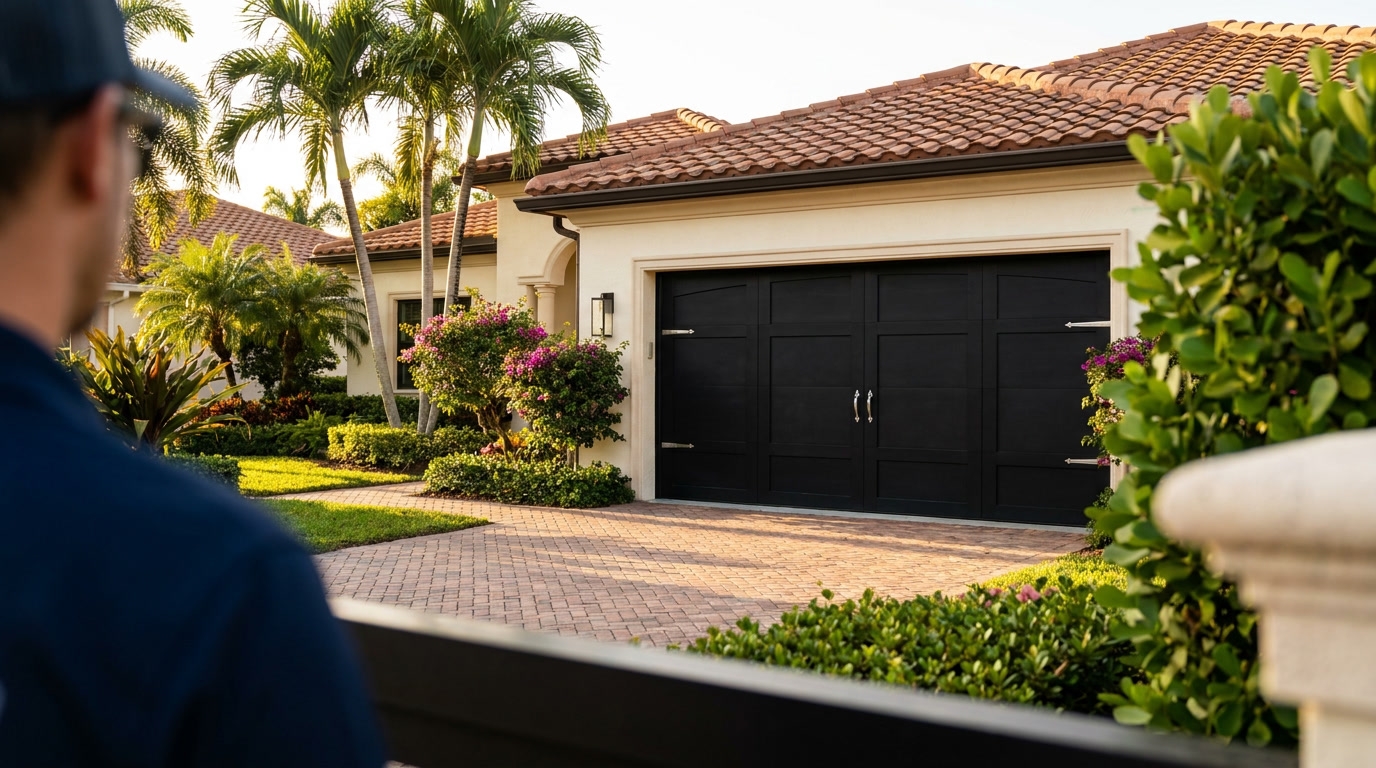
The first and most important garage door safety check is a complete visual inspection. Before touching any moving part, stand back and look at the entire system with the door both closed and open. You are checking for obvious signs of wear, damage, or misalignment. Look at the panels for dents, cracks, warping, or rust. Examine the tracks to see whether they are bent, loose, or filled with debris. Check the rollers for chips or flat spots, and inspect the hinges for looseness or visible stress. Even small issues can affect how smoothly the door moves and can eventually lead to a larger failure.
Pay special attention to the cables and springs. These parts carry significant tension and are critical to safe operation. If you notice fraying cables, gaps in the spring coil, or a spring that appears stretched or broken, stop using the door and arrange for professional help immediately. A damaged spring is not a DIY project. Broken spring repair should always be handled by trained technicians because the tension involved can cause severe injury if released incorrectly. This is one of the most common reasons homeowners seek garage door repair, especially when the door becomes too heavy to lift or slams shut unexpectedly.
Also inspect the weather seal at the bottom of the door and along the sides. A worn seal may not seem like a safety issue at first, but it can allow pests, water, and debris into the garage, creating slippery floors and damaging stored items. In South Florida, moisture intrusion can also lead to corrosion and electrical problems. If your door has not been inspected in a while, a professional safety inspection from a trusted local provider can reveal hidden issues before they become expensive. For homeowners considering upgrades or replacements, this is also a good time to evaluate whether garage door installation is needed for improved safety and durability.
2. Test the Door Balance, Springs, and Manual Release
One of the clearest indicators of garage door safety is balance. A properly balanced door should stay in place when lifted halfway manually, with minimal movement. If it falls quickly, rises on its own, or feels unusually heavy, the springs may be worn or improperly adjusted. This is not just a performance issue; it is a safety concern. A door that is out of balance puts extra strain on the opener, shortens the life of the system, and increases the chance of sudden failure. Homeowners often first notice this when the opener struggles, makes grinding noises, or stops working altogether.
To test balance safely, disconnect the opener using the manual release and lift the door by hand only if it moves smoothly and without resistance. If the door is difficult to lift, jerks during movement, or does not remain stable, do not force it. Springs may need adjustment or replacement, and that work should be left to a professional. This is especially true for torsion spring systems, which store a large amount of energy. A technician trained in garage door repair can determine whether the issue is a simple adjustment or a full spring replacement. If the door is older, a broader inspection may reveal that a full garage door opener replacement or even a new system is the safer long-term solution.
The manual release itself should also be tested. In an emergency, you need to know that the door can be disengaged from the opener quickly and safely. Pull the release cord and confirm that the door can be operated by hand. Then re-engage the opener according to the manufacturer’s instructions. This is especially important for homes that rely on electric garage door openers, because power outages or opener malfunctions can happen at any time. If the release mechanism is stuck, broken, or confusing to use, have it checked during your next residential garage door service appointment. A door that cannot be manually released may become a serious hazard during a power failure or mechanical breakdown.
3. Check the Auto-Reverse System, Sensors, and Opener Controls
Modern garage doors are equipped with safety features designed to prevent injury and property damage, but those features only work if they are tested regularly. The auto-reverse system is one of the most important. To test it, place a sturdy object such as a roll of paper towels or a small block of wood in the door’s path and close the door. The door should reverse immediately upon contact. If it does not, stop using the opener and schedule service right away. A failure in the auto-reverse function can be dangerous for children, pets, vehicles, and anyone walking under the door.
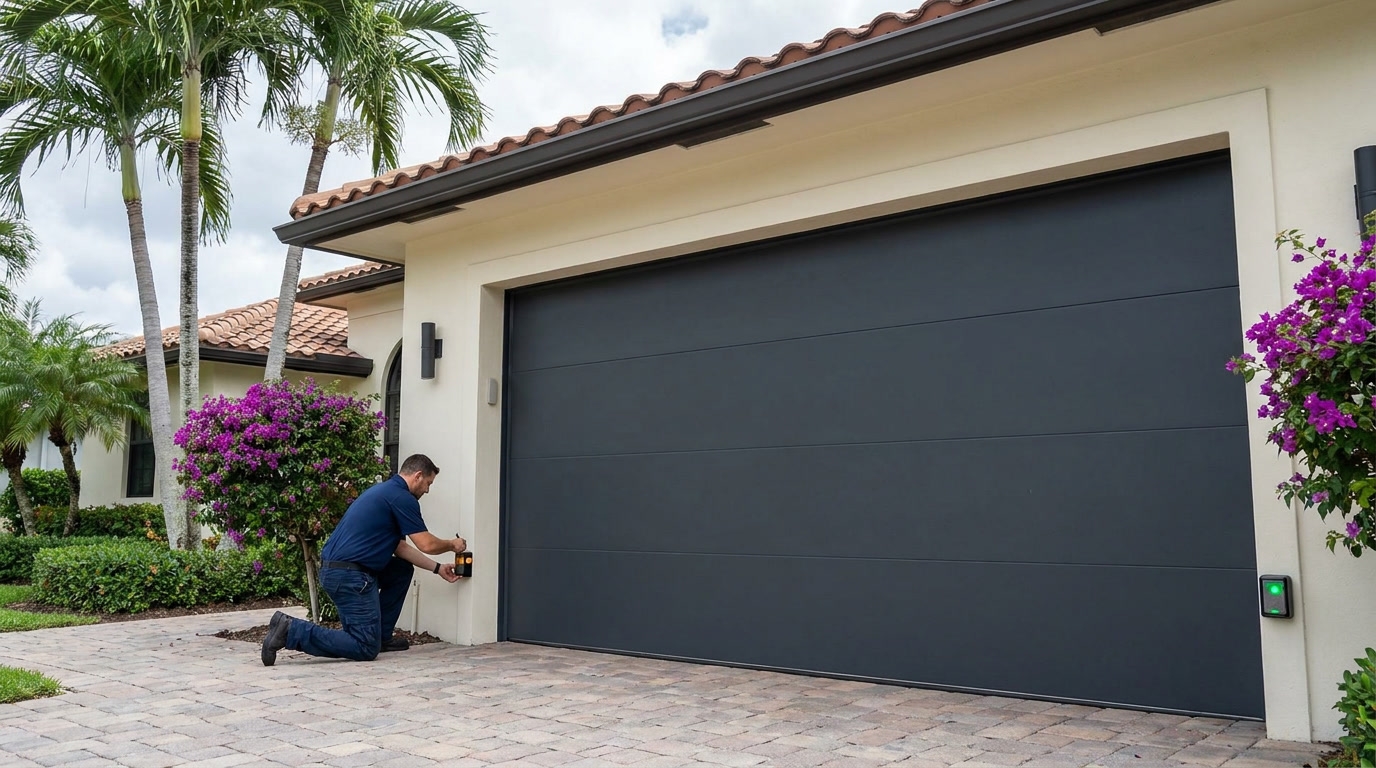
Photo-eye sensors are another critical safety component. These sensors are usually mounted near the bottom of the tracks and create an invisible beam across the opening. If the beam is interrupted, the door should not close. Check that the sensors are aligned, clean, and securely mounted. Dust, spider webs, or accidental bumps can interfere with their performance. If the opener light blinks or the door reverses unexpectedly, the sensors may need adjustment. This is a common issue in homes with active garages, and it is one reason homeowners search for same-day garage repair when the door suddenly stops behaving normally.
It is also wise to test the wall button, remote controls, and any smart access devices. If your home uses a keyless entry system, make sure the code works properly and that the keypad is responsive. If the keypad is unreliable, the batteries may be weak, the wiring may be damaged, or the unit may need replacement. Homeowners with older systems may also need a garage door opener replacement if the opener no longer supports modern safety features. Many families choose upgraded systems from trusted brands such as LiftMaster garage openers because they offer strong safety performance, reliable operation, and compatibility with newer access controls. If your opener is noisy, inconsistent, or missing key safety functions, it may be time to consider a replacement rather than repeated repairs.
4. Inspect Cables, Rollers, Tracks, and Hardware for Hidden Hazards
Some of the most dangerous garage door problems are not immediately obvious. Cables, rollers, tracks, brackets, and fasteners can all wear down slowly over time, creating hidden risks that only become visible when the door begins to fail. During a safety check, look closely at the lift cables on both sides of the door. They should be tight, evenly wound, and free of fraying. If a cable looks loose, rusted, or partially unwound, do not operate the door until it has been inspected. A snapped cable can cause the door to become crooked, jam in the tracks, or drop unevenly.
Rollers should move smoothly inside the tracks without excessive wobbling or grinding. If you hear squealing, scraping, or popping sounds, the rollers may be worn or the tracks may be dirty or bent. Tracks should be straight and firmly attached to the wall. Loose bolts, missing screws, or bent sections can create a dangerous path for the door to travel. Even a small obstruction can force the door off track, which may damage the opener and create a serious safety hazard. This is one of the reasons homeowners rely on professional garage door repair instead of waiting for a complete breakdown.
Hardware checks are equally important. Tighten visible nuts, bolts, and brackets if they are loose, but never touch the spring assembly or cable tension components yourself. If you notice repeated loosening, it may indicate vibration, structural movement, or a deeper alignment issue. In coastal and humid climates, corrosion can weaken metal parts faster than expected, making regular inspections even more valuable. For homeowners in need of South Florida garage services, routine maintenance can help prevent rust-related failures and extend the life of the system. If the door is older or heavily damaged, a professional may recommend garage door installation to restore safety and reliability rather than continuing to patch worn-out parts.
5. Review Access, Security, and Family Safety Habits
Garage door safety is not only about mechanical parts. It also includes how your family uses the system every day. A safe garage starts with good habits, secure access, and clear rules for children and guests. Teach everyone in the household not to stand, walk, or play under a moving garage door. Children should never be allowed to use the wall button or remote as a toy. Pets should be kept clear of the opening whenever the door is in motion. These simple habits can prevent accidents that no mechanical feature can fully eliminate.
Security is another major part of garage safety. If your remote control is lost or stolen, reprogram the opener immediately. If you use a keypad, change the code periodically and avoid sharing it with too many people. A modern keyless entry system can improve convenience, but only if the code is protected and the device is functioning properly. If your garage is attached to the home, the door between the garage and living space should also be kept in good condition and locked when appropriate. This helps protect against unauthorized access and reduces the risk of intruders entering through the garage.
Homeowners should also think about emergency preparedness. Make sure everyone knows how to use the manual release in case of power failure. Keep the area around the garage door clear of bicycles, tools, boxes, and storage items that could block movement or create tripping hazards. If your opener is outdated, noisy, or unreliable, it may be time to upgrade to a safer model or schedule a professional inspection. Many families choose garage door opener replacement when they want better security, smoother operation, and improved safety features. For homes that need a full system upgrade, a trusted team can also advise whether a new opener, new door, or complete garage door installation is the best solution for long-term peace of mind.
6. Know When to Call a Professional and Why Timing Matters
Some garage door safety checks can be done by homeowners, but many repairs should never be attempted without training. Springs, cables, opener motors, and track alignment can all be dangerous if handled incorrectly. If you hear a loud bang, see a broken spring, notice the door hanging crooked, or find that the opener is straining to lift the door, stop using the system and call a professional immediately. Waiting can make the damage worse and increase the chance of injury. In many cases, quick action can prevent a small issue from turning into a full system failure.
Professional service is especially important when the door is stuck open or closed, when the sensors fail repeatedly, or when the opener behaves unpredictably. These are signs that the system may need more than a quick adjustment. A qualified technician can determine whether the issue is related to the opener, the springs, the cables, the tracks, or the door itself. If the problem is urgent, same-day garage repair can restore safety and access quickly. That matters for families who need to protect vehicles, secure the home, or get back to their daily routine without delay.
In South Florida, weather and environmental conditions can accelerate wear, so regular professional inspections are a smart investment. A licensed technician can spot corrosion, storm damage, and hidden mechanical issues that homeowners may miss. GarageFL provides trusted South Florida garage services for homeowners who want dependable support, whether they need routine maintenance, broken spring repair, garage door repair, or a full garage door installation. If your system is outdated, noisy, or no longer safe, a professional can recommend the right upgrade and help you choose from modern options, including electric garage door openers and advanced access systems. For many homes, the safest choice is not waiting until failure—it is scheduling service before the problem becomes urgent.
Garage door safety checks protect your family, your property, and your peace of mind. By inspecting the door visually, testing balance and springs, checking sensors and auto-reverse functions, reviewing cables and hardware, and maintaining secure access habits, you can catch problems early and reduce the risk of accidents. When something seems off, do not ignore it. A reliable garage door should open smoothly, close safely, and respond exactly as expected every time. If it does not, professional help is the smartest next step.
GarageFL offers expert garage door repair, installation & maintenance across South Florida. Trusted, licensed & insured. Call GarageFL for fast service today! Whether you need residential garage door service, broken spring repair, garage door opener replacement, or a complete safety inspection, the right team can help keep your home secure and your garage door working the way it should.
Skip the YouTube rabbit hole - we'll have a tech at your door same day across Broward, Dade and Palm Beach.