If you've ever experienced the frustration of a garage door that reverses unexpectedly, you're not alone. This common issue can be both inconvenient and potentially hazardous. At GarageFL, we understand the importance of a smoothly functioning garage door, which is why we're here to help you troubleshoot and fix this problem efficiently. As a trusted provider of garage door repair, installation, and maintenance services across South Florida, we have the expertise to address any garage door issue you might encounter. In this guide, we'll walk you through the steps to diagnose and resolve a reversing garage door, ensuring your home remains safe and secure. Whether it's adjusting the garage door opener settings or inspecting the safety sensors, our tips will help you restore your garage door to optimal performance. For fast and reliable service, don't hesitate to contact GarageFL, your licensed and insured garage door specialists.
Understanding the Problem: Why Your Garage Door Reverses
A garage door that reverses unexpectedly can be a frustrating and potentially dangerous issue for homeowners. Understanding why this happens is crucial for effectively addressing the problem and ensuring the safety and functionality of your garage door system. Several factors can cause a garage door to reverse, and identifying the root cause is the first step in resolving the issue.
One of the most common reasons for a garage door to reverse is a problem with the safety sensors. Modern garage doors are equipped with safety sensors that are designed to prevent the door from closing on an object or person. These sensors are typically located near the bottom of the door tracks and emit an invisible beam. If the beam is interrupted, the door will automatically reverse to prevent injury or damage. However, if the sensors are misaligned or obstructed by dirt or debris, they may falsely detect an obstruction and cause the door to reverse. Regular maintenance, such as cleaning the sensors and ensuring they are properly aligned, can help prevent this issue. For more detailed guidance on maintaining your garage door sensors, you can visit our page on broken garage door system sensors.
Another potential cause of a reversing garage door is an issue with the door's travel limits. The travel limits determine how far the door moves up and down. If these limits are set incorrectly, the door may not close all the way or may reverse before reaching the ground. Adjusting the travel limits is a technical task that may require professional assistance. If you're experiencing issues with your garage door's travel limits, consider reaching out to a professional for a garage door tune-up.
The force settings on your garage door opener can also contribute to the problem. These settings control the amount of force the opener uses to open and close the door. If the force settings are too low, the opener may interpret normal resistance as an obstruction and reverse the door. Adjusting the force settings can be a delicate process, as setting them too high can create safety hazards. It's important to consult your garage door opener's manual or contact a professional for assistance if you're unsure how to adjust these settings safely.
In some cases, a reversing garage door may be caused by a mechanical issue, such as a broken spring or cable. These components are essential for the smooth operation of the door, and if they are damaged, the door may not function properly. A broken spring, for example, can cause the door to become unbalanced, leading to unexpected reversals. If you suspect a mechanical issue, it's important to address it promptly to prevent further damage. For more information on repairing broken springs, you can visit our page on broken spring repair.
Environmental factors can also play a role in a garage door reversing. For instance, extreme temperatures can affect the performance of the door's components, causing them to expand or contract. This can lead to misalignment or increased resistance, which may trigger the door to reverse. Regular inspections and maintenance can help mitigate the impact of environmental factors on your garage door system.
It's important to note that a reversing garage door is not just an inconvenience; it can also pose safety risks. According to the U.S. Consumer Product Safety Commission, garage doors are responsible for thousands of injuries each year, many of which are related to malfunctioning doors. Ensuring that your garage door is functioning properly is essential for the safety of your family and property.
If you're experiencing issues with your garage door reversing, it's advisable to consult with a professional. They can conduct a thorough inspection and identify any underlying problems that may be contributing to the issue. Professional services can provide peace of mind and ensure that your garage door operates safely and efficiently. For more information on professional garage door repair services, you can visit our services page.
In conclusion, understanding why your garage door reverses is the first step in addressing the problem. By identifying the root cause, whether it's an issue with the sensors, travel limits, force settings, or mechanical components, you can take the necessary steps to resolve the issue and ensure the safe operation of your garage door. Regular maintenance and professional inspections can help prevent future problems and keep your garage door functioning smoothly.
Safety First: Precautions Before You Begin
Before embarking on the task of fixing a garage door that reverses unexpectedly, it is crucial to prioritize safety. Garage doors are heavy and complex systems that can pose significant risks if not handled properly. Therefore, taking the necessary precautions is essential to ensure your safety and the proper functioning of the door. First and foremost, make sure to disconnect the power to the garage door opener. This can be done by unplugging the unit or turning off the circuit breaker that supplies power to the garage. This step is vital to prevent accidental activation of the door while you are working on it, which could lead to serious injury. Additionally, ensure that the garage door is fully closed before you begin any repairs. If the door is stuck in a partially open position, use a pair of vice grips to secure the tracks and prevent the door from moving unexpectedly.
Another important precaution is to inspect the area around the garage door for any potential hazards. Remove any objects or debris that could obstruct your work or cause you to trip. It's also advisable to wear protective gear, such as safety glasses and gloves, to protect yourself from sharp edges and moving parts. If you are using a ladder to access higher parts of the door, make sure it is stable and positioned on a flat surface. Always maintain three points of contact with the ladder to prevent falls.
Understanding the components of your garage door system is also crucial for safety. Familiarize yourself with the various parts, such as the springs, cables, and rollers, as these are often the culprits when a door reverses unexpectedly. If you suspect that the issue lies with the springs, it is highly recommended to seek professional assistance. Garage door springs are under extreme tension and can cause severe injury if mishandled. For issues related to the sensors or the opener, you might consider consulting a professional service for garage door repair to ensure the problem is addressed safely and effectively.
In addition to these precautions, it's beneficial to have a basic understanding of the garage door's safety features. Most modern garage doors are equipped with sensors that detect obstructions and reverse the door's movement to prevent accidents. Ensure that these sensors are clean and properly aligned. If the sensors are malfunctioning, they may cause the door to reverse unnecessarily. For more detailed guidance on sensor issues, you can refer to resources about broken garage door system sensors.
Lastly, if you are unsure about any aspect of the repair process, do not hesitate to reach out to a professional. Many companies offer contact options for consultations or to schedule a service visit. Professional technicians have the experience and tools necessary to diagnose and fix issues safely. By taking these precautions and seeking expert help when needed, you can ensure that your garage door repair is conducted safely and efficiently.
Tools and Materials You Will Need
When tackling the task of fixing a garage door that reverses unexpectedly, having the right tools and materials at your disposal is crucial for a successful repair. This guide will help you gather everything you need to address the issue efficiently and safely. First and foremost, ensure you have a reliable set of basic tools. A standard toolkit should include a set of screwdrivers, both flathead and Phillips, as these will be essential for adjusting screws and brackets. A wrench set is also necessary, particularly adjustable wrenches, to handle various nuts and bolts that might need tightening or loosening during the repair process. A tape measure will be invaluable for ensuring that all components are aligned correctly, as misalignment is a common cause of garage doors reversing.
In addition to these basic tools, a few specialized items will be particularly useful. A level is crucial for checking the alignment of the garage door tracks and ensuring that they are perfectly vertical and horizontal. Misaligned tracks can cause the door to reverse, so this step is vital. A rubber mallet can be helpful for gently adjusting tracks without causing damage. If your garage door system includes sensors, a multimeter will be essential for testing the electrical connections and ensuring that the sensors are functioning correctly. Faulty sensors are a common culprit in garage doors that reverse unexpectedly.
Safety is paramount when working on garage doors, so make sure you have protective gear. Safety glasses will protect your eyes from dust and debris, while work gloves will provide a better grip and protect your hands from sharp edges. If you need to work on the garage door springs, which can be dangerous due to the high tension they are under, consider consulting a professional or at least using a winding bar specifically designed for this purpose. For more information on handling springs safely, you might want to check out our broken spring repair services.
Materials are just as important as tools in this repair process. Lubricant is essential for maintaining the smooth operation of the garage door. A silicone-based lubricant is recommended, as it will not attract dust and debris like oil-based products. Apply it to the tracks, rollers, and hinges to reduce friction and noise. If your garage door has a chain drive, a small amount of lubricant on the chain can also be beneficial. Replacement parts may be necessary if you identify any components that are worn or damaged beyond repair. Common parts that might need replacing include rollers, hinges, and weather seals. If you find that your garage door opener is malfunctioning, you might need to consider a garage door opener replacement.
Finally, having a step ladder on hand will be necessary for reaching higher components of the garage door system, such as the tracks and the opener unit. Ensure that the ladder is stable and positioned on a flat surface to prevent accidents. If you encounter any issues that are beyond your expertise, or if you simply prefer professional assistance, do not hesitate to reach out to a garage door repair service. You can learn more about our garage door repair offerings to get expert help. By preparing with the right tools and materials, you will be well-equipped to tackle the issue of a reversing garage door, ensuring it operates smoothly and safely.
Inspecting the Garage Door Sensors
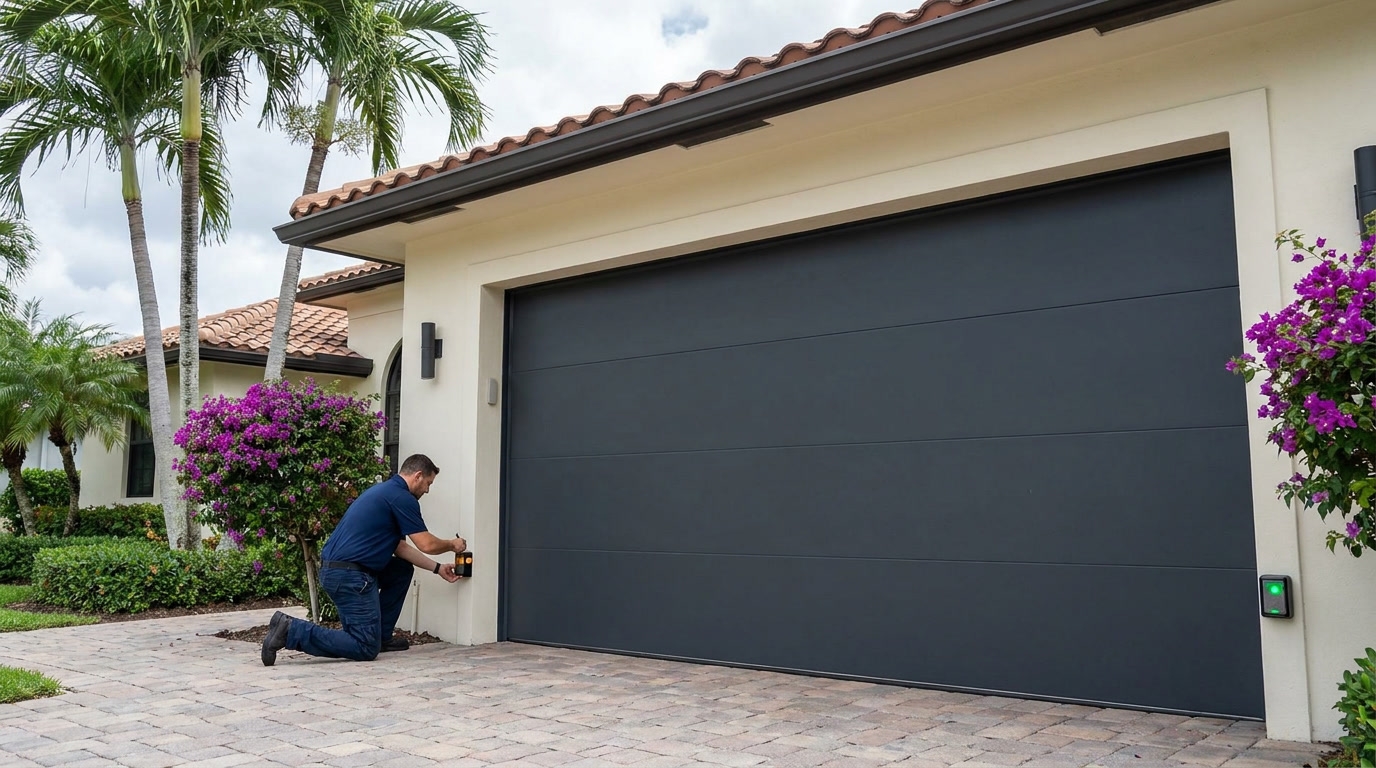
When dealing with a garage door that reverses unexpectedly, one of the first components to inspect is the garage door sensors. These sensors play a crucial role in ensuring the safe operation of your garage door by detecting obstacles in the door's path and preventing accidents. If your garage door is reversing without any apparent reason, the sensors might be misaligned, dirty, or malfunctioning. To begin, locate the sensors, which are typically mounted on either side of the garage door track, about six inches above the ground. These sensors emit an invisible beam that, when interrupted, signals the door to stop and reverse.
Start by checking the alignment of the sensors. Both sensors should be facing each other directly, with their indicator lights illuminated. If the lights are blinking or not lit at all, it could indicate a misalignment. Gently adjust the sensors until the lights are steady, which signifies proper alignment. Next, clean the sensor lenses with a soft cloth to remove any dirt or debris that might be obstructing the beam. Even a small amount of dust can interfere with their operation.
If alignment and cleaning do not resolve the issue, inspect the wiring for any signs of damage. Frayed or disconnected wires can disrupt the sensor's function, causing the door to reverse. In such cases, it might be necessary to consult a professional for garage door repair to address any complex electrical issues. Additionally, ensure that there are no objects or clutter near the sensors that could inadvertently block the beam.
For those experiencing persistent problems, it may be worth considering a broken garage door system sensors replacement. This can be particularly beneficial if the sensors are old or have sustained significant wear and tear. Regular maintenance and garage door tune-ups can also help prevent sensor-related issues, ensuring your garage door operates smoothly and safely. By taking these steps, you can effectively troubleshoot and resolve issues with your garage door sensors, restoring the reliable function of your garage door system.
Cleaning and Aligning the Sensors
When dealing with a garage door that reverses unexpectedly, one of the most common culprits is misaligned or dirty sensors. These sensors, typically located near the base of the garage door tracks, play a crucial role in ensuring the safety and proper functioning of your garage door system. They work by sending an invisible beam across the width of the door. If this beam is interrupted, the door will reverse to prevent injury or damage. However, if the sensors are dirty or misaligned, they may falsely detect an obstruction, causing the door to reverse unnecessarily. To address this issue, start by inspecting the sensors for any visible dirt or debris. Use a soft, dry cloth to gently clean the lenses, ensuring that no smudges or dust remain. This simple cleaning can often resolve the problem if dirt was obstructing the sensor's beam.
Next, check the alignment of the sensors. They should be directly facing each other, with the LED lights on both sensors lit up. If one or both lights are off or blinking, it indicates a misalignment. Adjust the sensors by loosening the screws that hold them in place, then gently move them until the lights are steady. Once aligned, tighten the screws to secure their position. It's important to ensure that the sensors are mounted at the same height on each side of the garage door. If you continue to experience issues after cleaning and aligning the sensors, it may be time to consult a professional for a more thorough inspection. You can learn more about sensor issues and potential solutions by visiting our page on broken garage door system sensors. Additionally, if you need further assistance, our contact page provides various ways to get in touch with our expert team. Proper maintenance and occasional professional check-ups can help prevent sensor-related problems and ensure your garage door operates smoothly.
Checking the Garage Door Tracks
When dealing with a garage door that reverses unexpectedly, one of the crucial components to inspect is the garage door tracks. These tracks are essential for the smooth operation of your garage door, guiding it as it opens and closes. Over time, tracks can become misaligned, dirty, or damaged, leading to issues such as the door reversing before it fully closes. To begin, visually inspect the tracks on both sides of the garage door. Look for any signs of physical damage, such as dents or bends, which can impede the door's movement. If you notice any significant damage, it may be necessary to seek professional garage door repair services to ensure the tracks are properly repaired or replaced.
Next, check for any obstructions within the tracks. Dirt, debris, or small objects can accumulate over time, causing the door to reverse as a safety measure. Use a damp cloth to wipe down the tracks, removing any buildup that might interfere with the door's operation. Regular cleaning can prevent these issues from occurring and is an essential part of routine garage door tune-ups. Additionally, ensure that the tracks are aligned correctly. Misalignment can cause the door to bind, leading to premature reversal. Use a level to check the alignment of the tracks. If they are not perfectly vertical, gently tap them back into place using a rubber mallet. Be cautious not to damage the tracks further during this process.
Lubrication is another critical aspect of maintaining garage door tracks. Applying a silicone-based lubricant to the tracks can reduce friction and help the door move smoothly. Avoid using grease, as it can attract more dirt and debris, exacerbating the problem. Regular lubrication can extend the life of your garage door system and prevent issues related to reversing. If you continue to experience problems after cleaning, aligning, and lubricating the tracks, it may be time to consult with a professional. They can perform a comprehensive safety inspection to identify any underlying issues that may not be immediately apparent.
In summary, checking the garage door tracks is a vital step in troubleshooting a reversing garage door. By ensuring the tracks are clean, aligned, and properly lubricated, you can often resolve the issue without the need for extensive repairs. However, if problems persist, professional assistance may be necessary to address more complex issues within the garage door system. Regular maintenance and inspections can prevent many common problems, ensuring your garage door operates smoothly and safely for years to come.
Testing the Garage Door Opener Settings
When dealing with a garage door that reverses unexpectedly, it's crucial to test the garage door opener settings to ensure everything is functioning correctly. This process involves a series of checks and adjustments that can help identify and resolve the issue. Begin by examining the safety sensors, which are typically located near the bottom of the garage door tracks. These sensors are designed to detect obstacles and prevent the door from closing if something is in the way. Ensure that the sensors are aligned properly and free from dirt or obstructions. Misalignment or dirt can cause the sensors to send false signals, leading to the door reversing unexpectedly. If you suspect the sensors are faulty, consider seeking professional assistance for broken garage door system sensors.
Next, inspect the garage door opener's force settings. These settings control the amount of force the opener uses to close the door. If the force is set too low, the opener might interpret normal resistance as an obstruction and reverse the door. Consult your garage door opener's manual to locate the force adjustment controls, and make small adjustments to see if this resolves the issue. It's important to test the door after each adjustment to ensure it closes smoothly without reversing. If you're unsure about making these adjustments yourself, you might want to contact a professional for a garage door opener repair.
Additionally, check the travel limits of your garage door opener. These limits determine how far the door travels before stopping. If the limits are set incorrectly, the door might hit the ground too hard or not close completely, causing it to reverse. Again, refer to the manual for instructions on adjusting the travel limits. Make incremental changes and test the door's operation after each adjustment. If the problem persists, it may be time to consider a garage door opener replacement to ensure reliable and safe operation. By carefully testing and adjusting these settings, you can often resolve the issue of a reversing garage door and restore its proper function.
Adjusting the Force and Limit Settings
When dealing with a garage door that reverses unexpectedly, one of the critical areas to inspect and adjust is the force and limit settings on your garage door opener. These settings are crucial for the proper functioning of your garage door system, ensuring that the door opens and closes smoothly without reversing unnecessarily. The force setting controls the amount of power the opener uses to open and close the door. If the force setting is too low, the door may reverse before it fully closes, sensing an obstruction that is not there. Conversely, if the force setting is too high, it could cause the door to close with excessive force, posing a safety risk. To adjust the force settings, locate the force adjustment knobs on your garage door opener. These are usually labeled "up force" and "down force." Start by turning the down force knob slightly to increase the force, then test the door to see if it closes without reversing. Make small adjustments and test repeatedly until the door operates smoothly.
The limit settings, on the other hand, determine how far the door travels during opening and closing cycles. If the limit settings are not correctly adjusted, the door might not close all the way, or it might reverse before reaching the ground. To adjust the limit settings, find the limit adjustment screws on the opener, typically labeled "up limit" and "down limit." Adjust the down limit screw to ensure the door closes completely without reversing. Make incremental adjustments and test the door's operation after each change. Properly setting these limits ensures that the door closes snugly against the floor, enhancing security and energy efficiency.
For those who find these adjustments challenging or are unsure about handling them safely, it might be beneficial to seek professional assistance. A professional garage door repair service can ensure that your door's force and limit settings are optimized for safe and reliable operation. Additionally, regular garage door tune-ups can help maintain these settings and prevent future issues. If you have further questions or need personalized guidance, do not hesitate to contact a professional for expert advice. Proper adjustment of the force and limit settings not only resolves the reversing issue but also extends the lifespan of your garage door system, ensuring it operates safely and efficiently for years to come.
Examining the Garage Door Springs and Cables
When your garage door unexpectedly reverses, it can be both frustrating and concerning. One of the key areas to investigate when troubleshooting this issue is the garage door springs and cables. These components play a crucial role in the proper functioning of your garage door system, and any malfunction or wear in these parts can lead to the door reversing unexpectedly. Understanding how to examine and address issues with garage door springs and cables can help you resolve the problem and ensure smooth operation.
Garage door springs are integral to the lifting mechanism of your garage door. They bear the weight of the door, allowing it to open and close with ease. There are two main types of springs: torsion springs and extension springs. Torsion springs are mounted above the closed door, while extension springs are located on either side of the door. Over time, these springs can wear out, lose tension, or even break, leading to issues such as the door reversing. If you suspect a problem with the springs, it is essential to conduct a thorough inspection. Look for signs of wear, such as gaps in the coils, rust, or any visible damage. If a spring appears broken or significantly worn, it is crucial to replace it promptly. Handling garage door springs can be dangerous due to the high tension they are under, so it is often best to seek professional assistance for broken spring repair.
In addition to the springs, the cables in your garage door system are also vital. These cables work in conjunction with the springs to lift and lower the door smoothly. Over time, cables can fray, become loose, or snap, which can cause the door to malfunction or reverse unexpectedly. When examining the cables, check for any signs of fraying or damage. If the cables appear worn or damaged, they should be replaced immediately to prevent further issues. Replacing garage door cables can be a complex task, and improper handling can lead to injury or further damage to the door system. Therefore, it is advisable to contact a professional service for garage door cable repair.
Regular maintenance and inspection of the springs and cables can prevent many common garage door issues. It is recommended to conduct a visual inspection of these components every few months. Additionally, scheduling a professional garage door tune-up can help identify potential problems before they lead to significant malfunctions. During a tune-up, a technician will thoroughly inspect the entire system, including the springs and cables, and make any necessary adjustments or replacements to ensure optimal performance.
In conclusion, examining the garage door springs and cables is a crucial step in diagnosing and fixing a garage door that reverses. By understanding the importance of these components and knowing how to identify signs of wear or damage, you can take proactive measures to maintain your garage door system. Whether you choose to inspect these parts yourself or hire a professional, addressing issues with the springs and cables promptly can prevent further complications and ensure the safe and efficient operation of your garage door.
Lubricating Moving Parts for Smooth Operation
To ensure your garage door operates smoothly and does not reverse unexpectedly, it is crucial to regularly lubricate its moving parts. This simple maintenance task can prevent many common issues associated with garage doors, such as noise, jerky movements, and premature wear and tear. Begin by gathering the necessary materials, including a high-quality garage door lubricant, which is typically silicone-based or lithium grease. Avoid using WD-40 or similar products, as they can attract dust and debris, leading to further complications.
Start by disconnecting the garage door opener to ensure safety while working. Focus on the rollers, hinges, tracks, and springs, as these components are integral to the smooth operation of your garage door. Apply a small amount of lubricant to the rollers, ensuring it reaches the bearings inside. This will help the rollers glide effortlessly along the tracks. Next, lubricate the hinges, particularly where they pivot, to reduce friction and noise. Pay special attention to the springs, as they bear the weight of the door. A well-lubricated spring will function more efficiently and last longer. Finally, apply lubricant to the tracks, but be cautious not to overdo it, as excess lubricant can attract dirt.
Regular lubrication not only enhances the performance of your garage door but also extends its lifespan. It is advisable to perform this maintenance task every six months or more frequently if you notice any unusual sounds or movements. If you encounter persistent issues despite regular lubrication, it may be time to consult a professional for a garage door tune-up or garage door repair. Keeping your garage door in top condition ensures safety and convenience for your household. For more information on maintaining your garage door, feel free to contact us.
Resetting the Garage Door Opener System
Resetting the garage door opener system is a crucial step when dealing with a garage door that reverses unexpectedly. This issue can be frustrating and potentially dangerous, as it may prevent the door from closing properly, leaving your garage and home vulnerable. To address this, resetting the system can often resolve the problem by recalibrating the opener and ensuring it functions correctly. Begin by locating the garage door opener unit, typically mounted on the ceiling of your garage. Most units have a reset button or a learn button, which is used to reset the system. Press and hold this button until the indicator light turns off, which usually takes about six seconds. This action clears the memory of the opener, erasing any existing codes and settings. After resetting, you will need to reprogram your remote controls and keypads. Consult the manufacturer's manual for specific instructions on how to do this, as the process can vary between different models. Additionally, check the alignment and condition of the safety sensors located at the bottom of the garage door tracks. These sensors are responsible for detecting obstacles and preventing the door from closing on them. If the sensors are misaligned or dirty, they may cause the door to reverse. Clean the sensor lenses with a soft cloth and ensure they are properly aligned facing each other. If the problem persists, it might be necessary to inspect other components such as the springs, cables, and tracks for any signs of wear or damage. For more complex issues, it is advisable to seek professional assistance. You can explore our garage door repair services to ensure your system is thoroughly inspected and repaired by experts. Additionally, if your garage door opener is outdated or malfunctioning, consider a garage door opener replacement to enhance the reliability and security of your garage door system. For further inquiries or to schedule a service, feel free to contact us. Resetting your garage door opener system can be a straightforward solution to a reversing door, ensuring your garage remains secure and functional.
When to Call a Professional for Help
When dealing with a garage door that reverses unexpectedly, it is crucial to know when to call a professional for help. While some issues can be resolved with basic troubleshooting, others require the expertise of a trained technician. If you have tried adjusting the sensors and ensuring that the tracks are clear of debris, but the problem persists, it may be time to seek professional assistance. A garage door that continues to reverse could indicate a more serious issue with the door's balance, the springs, or the opener's motor. These components are complex and can be dangerous to handle without proper training. For instance, if the springs are worn or broken, they can pose a significant safety risk. In such cases, contacting a professional for garage door spring repair is essential to ensure your safety and the proper functioning of your garage door.
Additionally, if your garage door opener is outdated or malfunctioning, it might be time to consider a garage door opener replacement. A professional can assess whether the opener is the root cause of the reversing issue and recommend the best course of action. They can also help you choose a modern opener with advanced features that enhance security and convenience. Furthermore, if you notice any unusual noises or vibrations when the door operates, it could be a sign of underlying mechanical problems. A professional can perform a thorough inspection and provide a garage door tune-up to address any issues before they escalate. Remember, timely intervention by a professional not only ensures the longevity of your garage door system but also safeguards your home and family from potential hazards.
Preventative Maintenance Tips for Your Garage Door
Maintaining your garage door is crucial to ensure its longevity and smooth operation. Regular preventative maintenance can help you avoid the inconvenience and potential hazards of a malfunctioning garage door, such as one that reverses unexpectedly. By following a few simple tips, you can keep your garage door in top condition and reduce the likelihood of costly repairs.
First, it's essential to conduct a visual inspection of your garage door at least once a month. Look for any signs of wear and tear, such as frayed cables, rusted springs, or loose hardware. Pay particular attention to the tracks and rollers, as debris or misalignment can cause the door to reverse. If you notice any issues, it may be time to consider a professional garage door repair service to address these problems before they escalate.
Lubrication is another critical aspect of garage door maintenance. Apply a high-quality lubricant to the moving parts of your garage door, such as the rollers, hinges, and springs, every six months. This will reduce friction and help prevent the door from reversing due to resistance. Be sure to use a lubricant specifically designed for garage doors, as other types may attract dirt and grime, leading to further issues.
Testing the balance of your garage door is also vital. Disconnect the opener by pulling the release handle and manually lift the door halfway. If it stays in place, the door is balanced. If it falls or rises, the springs may need adjustment. An unbalanced door can cause the opener to work harder, potentially leading to a reversing issue. In such cases, it's advisable to contact a professional for a garage door spring repair.
Additionally, check the safety sensors located near the bottom of the door tracks. These sensors are responsible for detecting obstacles and preventing the door from closing on them. Ensure they are aligned correctly and free from dirt or obstructions. Misaligned or dirty sensors can cause the door to reverse unexpectedly. If you encounter persistent issues with the sensors, consider consulting a professional for sensor repair.
Finally, keep an ear out for unusual noises when operating your garage door. Squeaking, grinding, or banging sounds can indicate underlying problems that may lead to the door reversing. Regularly scheduled noise reduction services can help identify and resolve these issues before they become more serious.
By incorporating these preventative maintenance tips into your routine, you can ensure your garage door operates smoothly and safely. Regular inspections, lubrication, balance checks, sensor maintenance, and noise monitoring are all essential components of a comprehensive garage door care plan. Taking these proactive steps will not only prevent your garage door from reversing unexpectedly but also extend its lifespan and enhance its performance.
Frequently Asked Questions About Garage Door Issues
When dealing with garage door issues, particularly a garage door that reverses unexpectedly, it's common to have several questions. Understanding the root causes and potential solutions can help you address these problems effectively. One frequent question is why a garage door might reverse before fully closing. This issue often stems from problems with the garage door's safety sensors. These sensors are designed to prevent the door from closing on an object or person, ensuring safety. If the sensors are misaligned or obstructed, they may mistakenly signal the door to reverse. Cleaning the sensors and ensuring they are properly aligned can often resolve this issue. For more detailed guidance, you might consider a professional garage door repair service.
Another common inquiry is about the role of the garage door opener in reversing issues. The opener's force settings might be too sensitive, causing the door to reverse if it encounters even slight resistance. Adjusting these settings can help, but it requires careful handling to avoid damaging the door or compromising safety. If you're unsure about making these adjustments yourself, consulting with a professional for a garage door opener repair might be the best course of action.
Homeowners also frequently ask about the importance of regular maintenance in preventing reversing issues. Routine maintenance, such as lubricating moving parts and checking the balance of the door, can prevent many common problems. A regular garage door tune-up can ensure that all components are functioning correctly and extend the lifespan of your garage door system. Additionally, if your garage door is older, it might be worth considering a new installation to benefit from the latest safety features and technology. For those in Fort Lauderdale, exploring options for new garage door installation can provide peace of mind and enhance the functionality of your home.
Lastly, many people wonder about the signs that indicate a need for professional intervention. If your garage door continues to reverse despite troubleshooting, or if you notice unusual noises or movements, it's advisable to seek professional help. Persistent issues might indicate deeper problems with the door's mechanics or electronics, which require expert attention. For any concerns or to schedule a service, reaching out through the contact page of a trusted garage door service provider can be a valuable step in ensuring your garage door operates safely and efficiently.
Certainly! Here's a suitable FAQ section for a blog post on "How to Fix a Garage Door That Reverses":
Frequently Asked Questions
Q1: Why does my garage door reverse immediately after closing?
A1: If your garage door reverses immediately after closing, it could be due to misaligned safety sensors, an obstruction in the door's path, or incorrect limit settings. Check for any objects blocking the door's path and ensure the sensors are properly aligned and clean.
Q2: How do I know if the safety sensors are causing the issue?
A2: The safety sensors are located near the bottom of the garage door tracks. If they are misaligned or dirty, the door may reverse. Check if the sensor lights are steady and aligned. If they are blinking or off, try cleaning the sensors and adjusting their alignment.
Q3: What should I do if adjusting the sensors doesn't fix the problem?
A3: If adjusting the sensors doesn't resolve the issue, inspect the garage door tracks for any obstructions or damage. Additionally, check the door's limit settings on the opener. These settings control how far the door travels and may need adjustment if the door reverses before fully closing.
Q4: How can I adjust the limit settings on my garage door opener?
A4: Most garage door openers have limit adjustment screws or dials. Refer to your opener's manual for specific instructions. Typically, you will need to adjust the "down" limit to ensure the door closes fully without reversing. Make small adjustments and test the door after each change.
Q5: Could weather conditions affect my garage door's operation?
A5: Yes, extreme temperatures can affect the operation of your garage door. Cold weather can cause the door to contract, while heat can cause it to expand. This may lead to misalignment or increased friction, causing the door to reverse. Regular maintenance can help mitigate these effects.
Q6: When should I call a professional for help?
A6: If you've tried troubleshooting the sensors, tracks, and limit settings without success, or if you're uncomfortable performing these tasks, it's best to call a professional. A trained technician can diagnose and fix more complex issues safely and efficiently.
Q7: Can regular maintenance prevent my garage door from reversing unexpectedly?
A7: Yes, regular maintenance can help prevent issues with your garage door. This includes cleaning and aligning the sensors, lubricating moving parts, and inspecting the tracks and springs for wear and tear. Regular checks can ensure your door operates smoothly and safely.
This FAQ section addresses common concerns and provides actionable advice for readers experiencing issues with their garage doors reversing unexpectedly.
Skip the YouTube rabbit hole - we'll have a tech at your door same day across Broward, Dade and Palm Beach.